
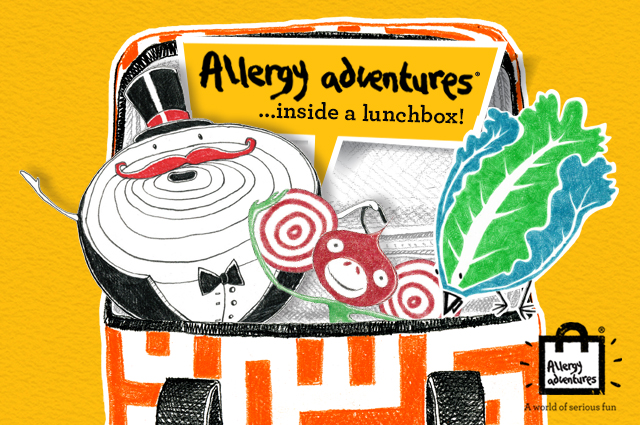
Learn How to Be Organised

Are you always late? Do you forget your homework? Do you hate packing to go away?Is your room a stressful mess?
Carolyn Ward has some tips to so you can ‘’choose to be organised’’ and lead a more relaxing life with extra time for fun.
Tarragon: the Snake in your Kitchen
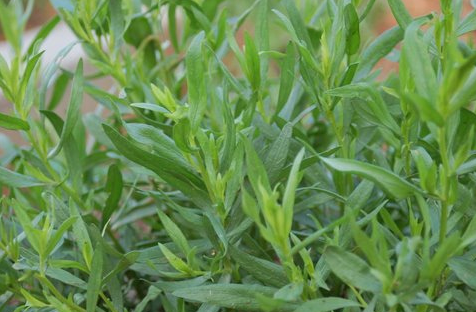
Even if you are not a budding chef, you might have heard of this herb. It can be used in all sorts of ways in cooking, especially with chicken, eggs and fish. And if you are fortunate enough to have tried French cuisine, you may have had it in Bearnaise sauce.
But where did the name come from? You might think it looks very English, but in fact, this word has had quite a journey to reach us in the form it is today in English.
“Tarragon” first appeared in this form in the 1530s, but it came from an earlier English form; taragon. This was formed from the Middle French term targon, which came from Medieval Latin tragonia. But the story doesn’t end here. There is an intriguing twist in the tale.
How To Look At Art
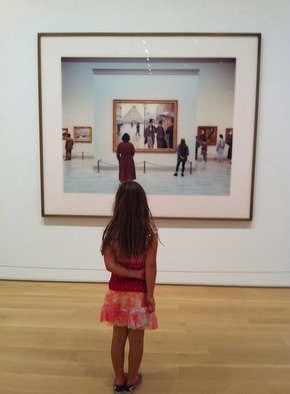
Have you got a favourite painting? Mine is ‘A Portrait of the Countess Golovine’ painted by Elisabeth Vigee-Lebrun, sometime around 1797. It is, unsurprisingly, a portrait of Countess Varvara Nikolaevna Golovine, a talented musician and artist from Russia. Elisabeth and the Countess became great friends and I love the way the Countess is smiling in the portrait, with a red shawl draped around her shoulders and her dark curly hair swept up in behind a scarf. The painting belongs to the Barber Institute of Fine Arts, Birmingham, which is one of my favourite galleries.

I love going to art galleries and looking at paintings, but at first I found it quite a daunting thing to do. Have you ever been to an art gallery and not known where to start? Or heard art critics talking about symbolism, composition and form but not understood? Sometimes looking at art can sound difficult, and talking about it can be a whole other language!
But looking at art doesn’t have to be complicated. Things like symbolism, where objects in paintings are used to represent something that’s happening, like a skull symbolising death, can be important and the composition, or the way things in the painting are arranged, can tell us a lot about the artist and why the painted what they did.
What is Geocaching?
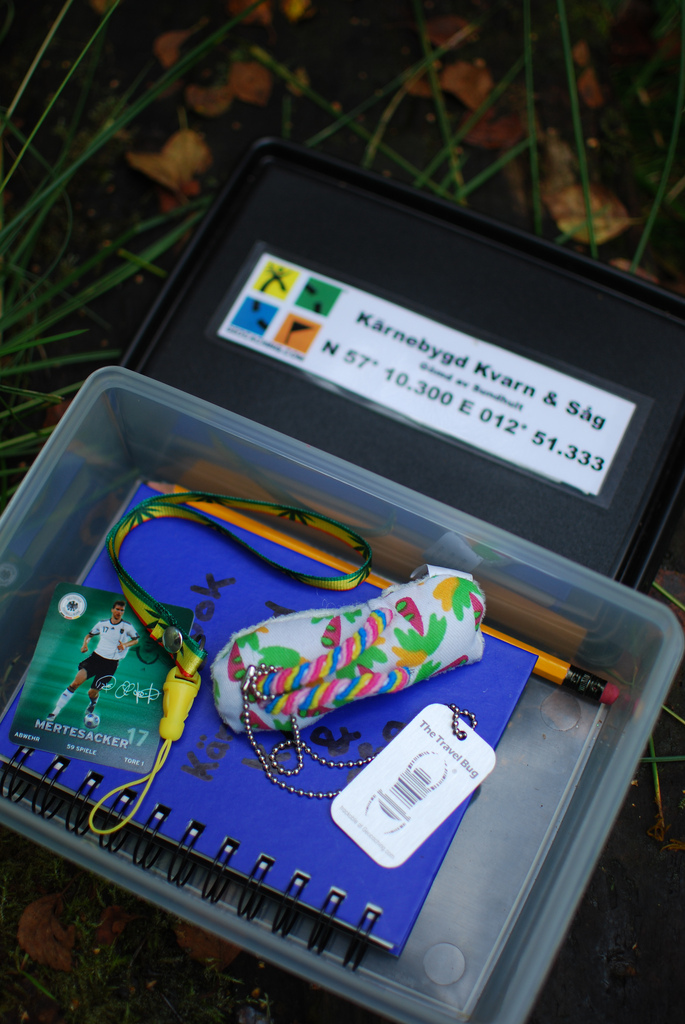
What is Geocaching? It’s like a real-life treasure hunt and is a great way to make a walk in the woods just a bit more interesting!
Julianne Robertson explains what it is and how to do it.
What is it?
Players use a handheld GPS device or a smartphone to look for a set of co-ordinates near to wherever they are and find the geocache (or treasure!) hidden at that location. These are usually a small container of some kind with a logbook and ‘treasure’ inside – this can be anything, like a little toy, some stickers, a badge, a pretty stone – basically anything small enough to fit inside and be worth finding!

Sounds good! How do I get started?
Go to the website www.geocaching.com and register – it’s free to sign up. Then you put in your postcode and you should see a list of all the geocaches near to where you live. Choose one and you’ll get the co-ordinates you need to put into the GPS, as well as a description of the area and clues about how to find the cache.
Are geocaches always hidden in the woods?
No – there are geocaches all over the world and they are usually put in places which are important to the person hiding them. Some are hidden in forest areas, others are in local parks, or city streets – even underwater! There are also different sizes of geocache and a range of difficulty – you should probably start with one that’s easy, at least to begin with!
What do I do when I find one – can I keep the treasure?!
Yes, but you should replace anything you keep with something of equal or greater value. You should also write about your find in the logbook and when you get home log your experience on the website too, so that others know the cache is still active.

Can I hide my own cache for others to find?
Yes, once you’ve found a few caches you’ll know what makes a good geocache and hiding place, and you might want to create your own! There are lots of guidelines on the website about how to do it.
Now you know about geocaching – go and try it! It’s a great activity to do with your family or a group of friends. Once you’ve found one, you’ll want to find more!
Julianne Robertson is a freelance journalist, based in Dundee. Her background is radio news, and she now writes features and reviews, specialising in parenting, faith and religion, events and lifestyle issues.