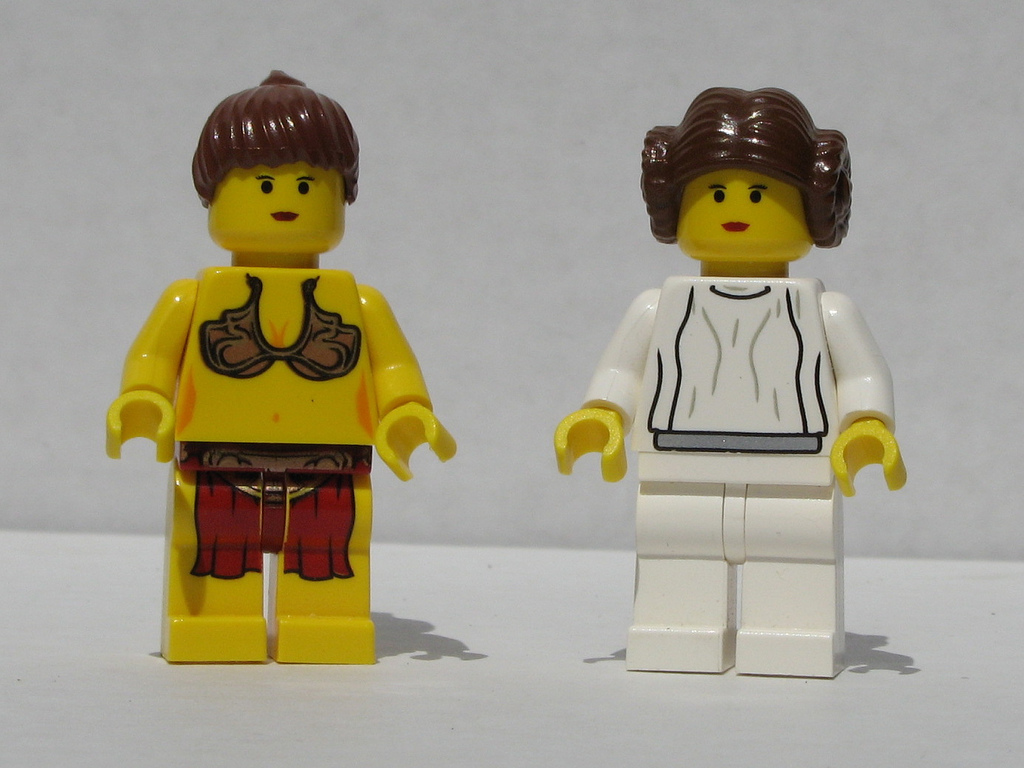
I love Star Wars. It’s my favourite trilogy of films ever. At least, I loved it when I was 8 and 9 and played Star Wars in the park wit my friends. I wasn’t overly fond of it when I was 6 years old and saw Empire Strikes Back for the first time. I still fast forward through the beginning bit of the movie where Luke Skywalker gets kidnapped by an abominable snowman on the planet Hoth and has to be rescued by Han Solo. It terrified me so much when I was 6 and saw it the cinema that my dad had to take me out.
6 Things Kids with Special Needs Wish EVERYONE Would Do
When we published our article 6 Things Parents Wish Their Kids Would Do … and 6 Things Kids Wish Their Parents Would Do, one of our readers got in touch to say we should do one for the things that kids with special needs wish EVERYONE would do. So we asked our followers, and came up with this list.
It was a bit tricky to put the list together, because there are so many different kinds of “special needs”. For some children, their disability is quite well manageable with medication, or with assistance and therapy, and you’d hardly know they had any additional needs. You may have heard of autism or Asperger’s Syndrome – these are part of the autistic disorder spectrum, a range of conditions that affect how people communicate and relate to people around them. You can’t tell by looking at someone if they have ASD.
Other children have disabilities that are apparent when you meet them, such as those with Down’s Syndrome, which we have covered in more detail here. Or they might use a wheelchair to get around.
What thing do they all have in common? They sometimes get asked really silly questions, and get treated badly by people. Make sure you aren’t one of them, by listening to what the kids (and their parents) had to say!
8 Supermarket Tricks to Make Your Parents Spend More
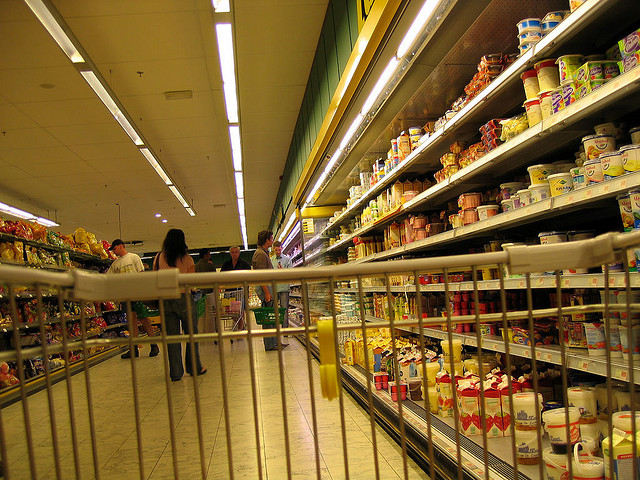
You might have noticed that many supermarkets have a similar layout. This is no coincidence. Researchers have spent many years working out how to set out the store in order to get customers to spend more! See how many of these supermarket tricks you recognise, the next time you go shopping with your parents!
Huge Trolleys
Shopping trollies are deliberately MUCH larger than needed for a weekly shop, which encourages customers to buy more. In fact, they’ve been getting bigger and bigger in the past few years.
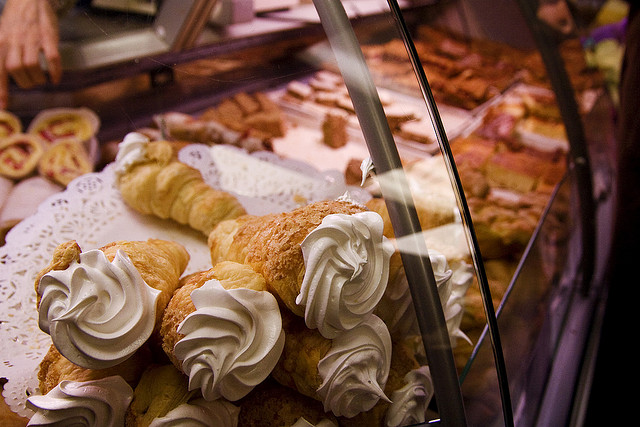
The Bakery at the Entrance
That smell of freshly baked bread? Not only does it make you want to buy a yummy loaf, it also makes you hungry. It is well known that if you go shopping when you are hungry, you buy more!
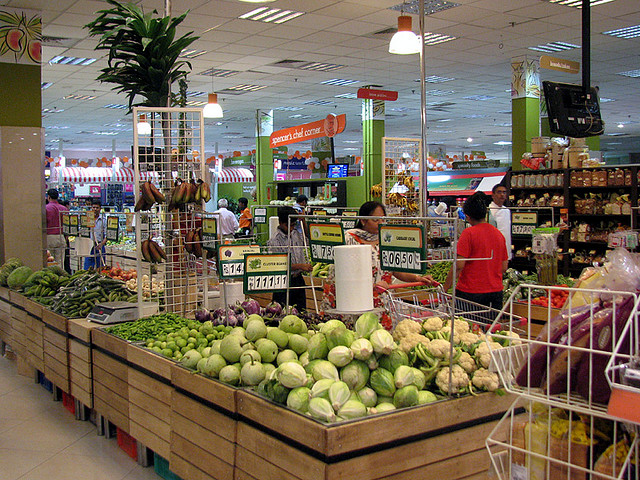
Tempting Fruit and Veg
After the bakery, comes the fruit and veg section. This often strikes me as a bit daft – by the time I get around to tins and packets of pasta, my salad is squashed at the bottom of the trolley! The bright colours tempt customers, and lots of supermarkets present fruit and veg in baskets or crates, to make it seem like they’ve come straight from the farm! Once you’ve filled your trolley with healthy produce, you’ll feel better about the packets of biscuits and crisps that come later!
Essentials Around the Store
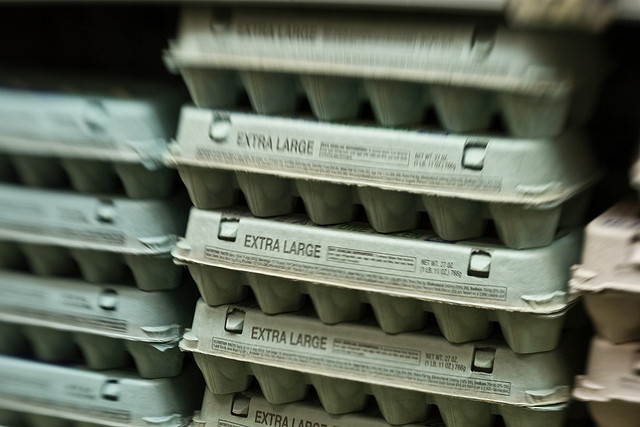
Just popping in with your parents to quickly to pick up some eggs, or milk? You might notice that these essentials, and others like sugar, salt and flour, are spread around the store. The supermarket planners want you to walk around the store as much as possible, passing all those tempting special offers at the end of the aisles.
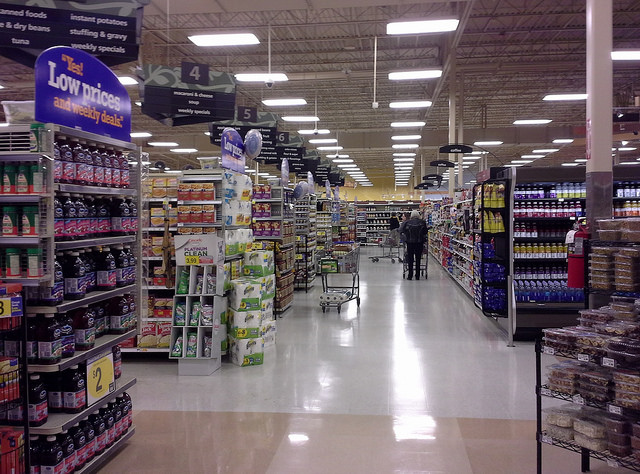
End of Aisle Offers
The shelves at the end of the aisles are the ones that we pay most attention to, and so supermarkets stack their special offers there, to persuade you to buy them. These are often things like fizzy drinks, that you might not normally purchase.
Loyalty Cards
Supermarkets don’t just give their customers loyalty cards to encourage them to come back to their stores. They also use the data (information) collected to target their advertising better. If your parents have a loyalty card, have a look at the next letter they receive to see if they are giving discounts on products that your family often buy. Have a think about what the supermarket would know about your family – if you have a pet, when you have birthdays (e.g. if you buy a cake in the store), what toys you like, which interests you have (e.g. your parents bought a magazine about traveling to Italy).
Sweets at the Checkout
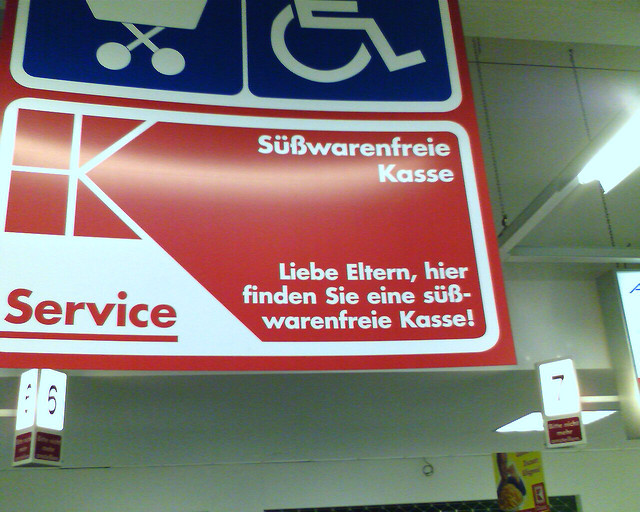
Ok, hands up if you’ve ever asked your parents for sweets when you were at the checkout! In Germany, they have a word for this – Quengelware. The word is made up of “quengeln” which means “to whine” and “Ware”, which means products. Products that make kids whine or grump at their parents, who are fed up with the hassle of shopping and give in to their kids’ demands! Some supermarkets now advertise that they have lanes without sweets, so that parents can avoid this argument.
Kids’ Products at Your Eye Level
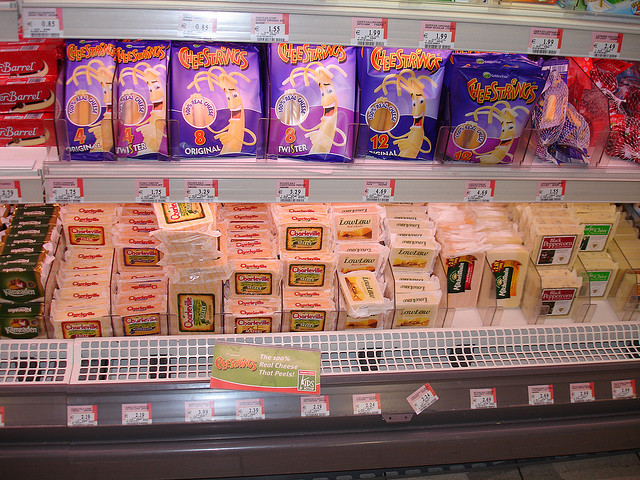
Talking of kids in supermarkets, did you ever notice that products aimed at kids are displayed at your eye level? The cheese strings are placed at that height in the hope that you will ask for them!
How many of these supermarket tricks did you recognise? Next time you go shopping, take a good look at how the store is laid out and see if you can find some more.
Girls Don’t Need No Education
‘WHAT?!’,I hear you cry. ‘Of course we need education!’ And you are absolutely correct.
Sadly in some areas of the world, this is not seen as a basic human right. Children, especially girls, are denied access to schools.
I am sure you have all heard of Malala Yousafzai, the young education campaigner from Pakistan who was shot by people who do not agree with her campaign for girls to be educated.
Malala is carrying on a fight for education that other countries have already fought and won. Tina explains how girls in her home country, United Kingdom, were once forbidden from going to school and when this changed.
Fairtrade Bananas
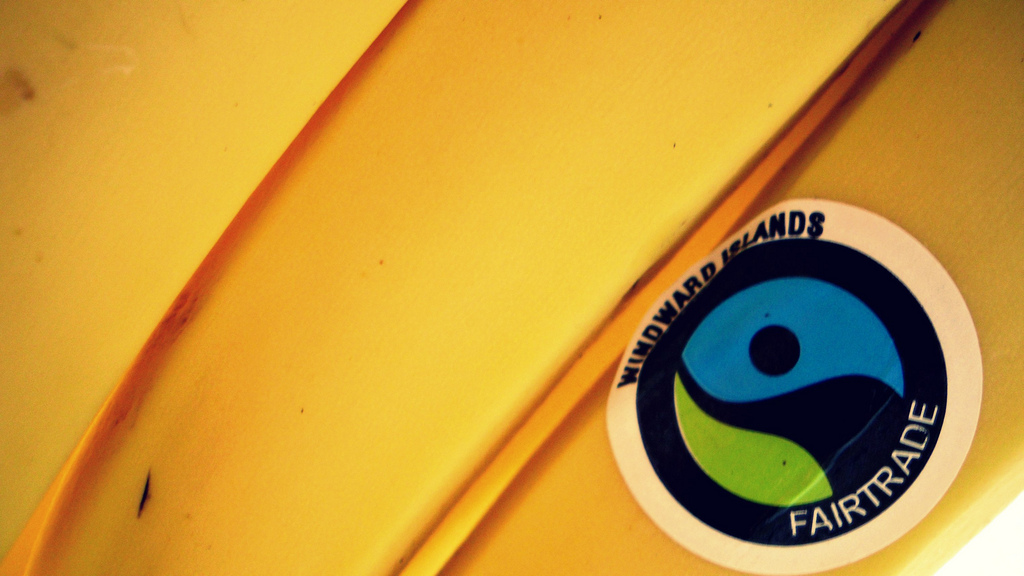
You might have seen the logo – stuck to bananas, in the corner of chocolate bars or perhaps on the label of jars of coffee or boxes of tea stacked on the supermarket shelves. But have you ever wondered exactly what the table ‘Fairtrade banana’ means and who it helps? Clara Wiggins explains all.
Until recently I lived in St Lucia, a small island in the Eastern Caribbean. A beautiful piece of paradise, St Lucia is one of the many islands in that part of the world that has relied for years on a combination of income from tourism and the sales of its fruit and vegetables – specifically bananas – to gives its people a reasonable standing of living. Life on these small islands is tough, they are very vulnerable to things like hurricanes and outside events that stop tourists coming on holiday. But as long as people bought their produce, the people of St Lucia were able to get by and children were able to go to school and get a good education.
Unfortunately, things changed. A few years ago, a change in trade laws meant that the UK stopped buying so many of their bananas from St Lucia and other islands in that part of the Caribbean – known as the Windward Islands – and started buying more of them from Latin America and West Africa.
Supermarkets in this country also became increasingly competitive and wanted to offer their customers cheaper produce to buy. As bananas have always traditionally been one of the most popular items for supermarket shoppers, these were offered at lower and lower prices – meaning the farmers who were growing them were getting paid less and all the people who relied on their income were finding it harder and harder to survive.
This is where Fairtrade stepped in. As an organisation, the Fairtrade Foundation ensures that farmers and other producers are offered a fair and stable price for their goods – and at the same time help improve the working and living conditions of the workers and their families.
After the changes to the trading laws meant fewer bananas were bought from St Lucia and the other islands, the number of banana farmers dropped from 27,000 to around 4,000 – which led to high unemployment, youth unrest and an increase in poverty. But the first consignment of Fairtrade bananas was shipped to the UK in 2000 and since then volumes have grown until today more than 90% of the farmers in the Windwards belong to a Fairtrade group. The knowledge that they will get a good price for their fruit has changed the lives of the farmers. Now they can afford things that we take for granted, like health care and decent education for their children. It also means they can use the money to invest in expanding into other areas and hopefully build back up the number of people employed in this work.
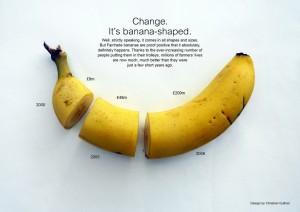
Of course Fairtrade isn’t just about bananas from the Caribbean – you can now buy a huge range of goods including chocolate, flowers, rice, sugar, even beauty products all stamped with the Fairtrade logo from countries across the globe. And every time you do so, you know you are helping someone like the banana farmers to build a better future for themselves and their families.
But as well as buying Fairtrade goods, another way to get involved is to turn your own school into a Fairtrade school.
A Fairtrade school is one that uses Fairtrade products as far as possible, commits itself to learning about how global trade works and why Fairtrade is important and takes action for Fairtrade in the school and wider community. Already, there are nearly 500 schools with Fairtrade status, with many more going through the process to gain certification.
As well as all the obvious reasons for doing it – ie helping the world become a fairer place and helping to reduce poverty – being part of a campaign to get your own school to become a Fairtrade School has many benefits closer to home. It could help you to develop your own skills, have a positive influence on your local school community and – above all – it can be great fun.
For more information on Fairtrade schools you can check out the Fairtrade Schools website
Check out the Fairtrade website to find out what other goods are available.
Traidcraft is anorganisation that campaigns for Fairtrade and can help your school to become a Fairtrade school.
If you enjoyed this article, don’t forget to click on the little <3 next to the title.
Clara is a trained journalist who worked in newspapers for several years before leaving the profession to travel round the world. On her return to the UK, she joined the Foreign Office where she worked in London and then at the British High Commission in Kingston, Jamaica. In 2005 she had her first daughter, followed by her second in 2007. She left the FCO to become a stay at home mother and to accompany her husband on postings to Pakistan and St Lucia. Now living back in the UK, she is currently training to be an antenatal teacher, writing freelance and planning a book about trailing spouses.