

Interview with Skeleton Athlete Jor’dan McIntosh
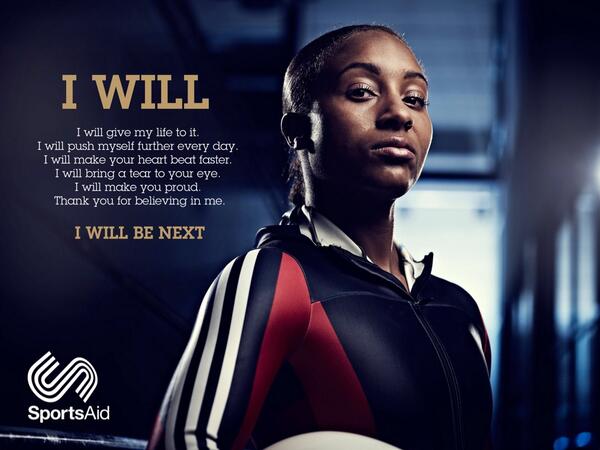
Jor’dan McIntosh is one very special athlete. Currently studying at Loughborough University, the Derby born 23 year old is specialising in one of the most gruelling yet exciting Winter Olympic events. Because right now, while her compatriots compete in Sochi for Skeleton Gold, Jor’dan is perfecting her technique, in her aim to be the best female Skeleton athlete come the next Winter Games in PyeogChang South Korea 2018.
Connection Infection – Poetry by Kids

News scrolling on a bright screen
Eyes scanning down a magazine
Locked up in a daydream
Obsessed by the latest Instagram post I’ve seen
I’m infected with a virus
That I can’t get out of my head
It’s got me going crazy
At least; that’s what the comments said
Hairstyles and creations
‘Urgent’ messages from relations
The latest trends and how to cook
Living life by an electronic book
I’m infected with a bug
That’s connected to my hands
That’s left me solitary
Unware of and blind to the past
We used to talk face to face
Of politics, clothes and space
But then you were replaced
By a cruel-minded interface
My alarm’s a notification
I’m dictated by cold metal parts
My day scheduled on reaching the leader boards
The social media bug has infected my heart
Curious Creatures – The Midwife Toad
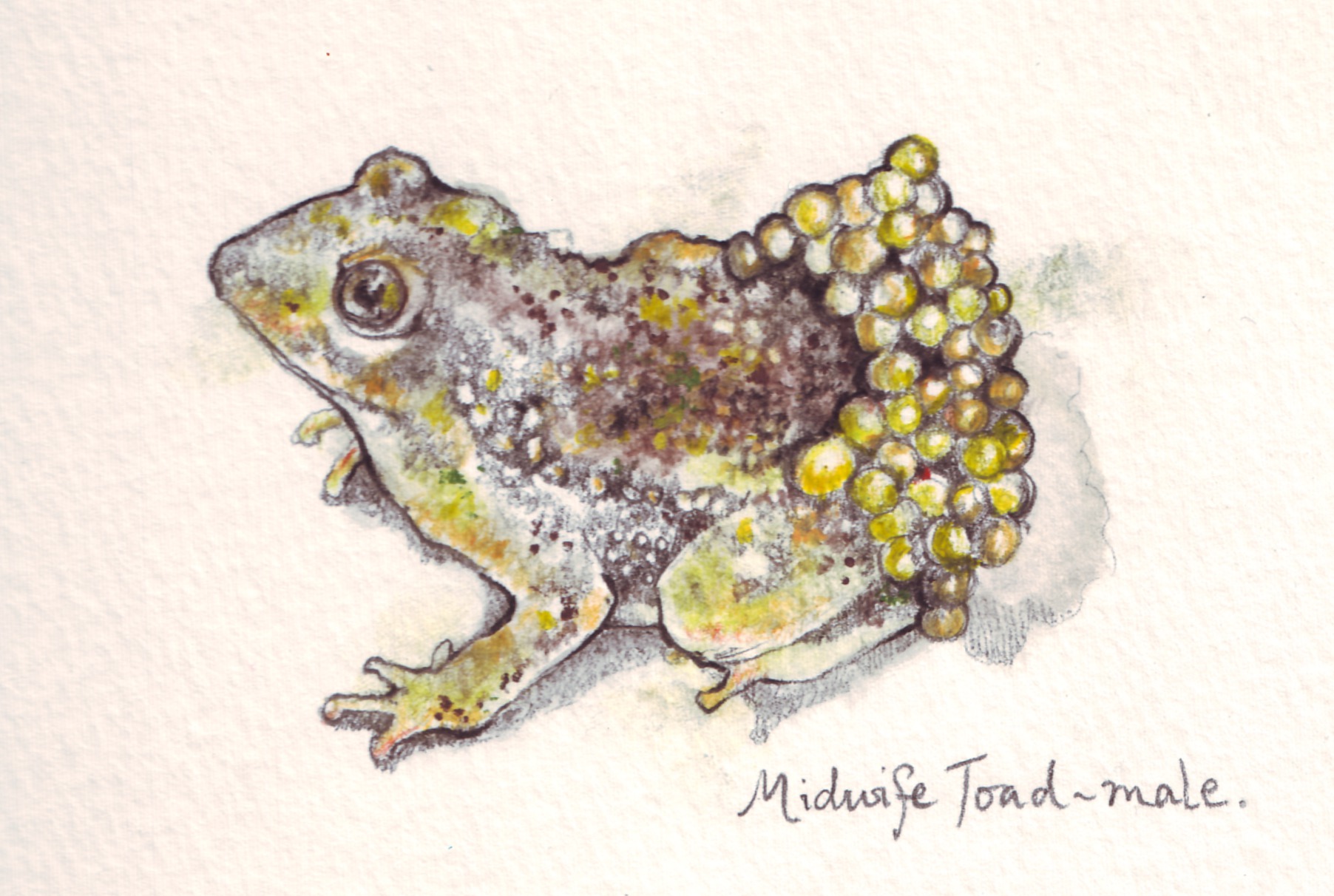
The strangest creatures are, to me,
The ones I love the best.
The slimy, ugly and the odd
Are cooler than the rest…
Writer Gabby Dawnay reveals her favourite curious and unusual creatures.
Offline Minecraft Activities
