
What is Counselling?

ids When something’s on your mind, it can help to talk about it and share it with someone else. But what if you don’t want to talk to your friends or family, or you can’t?
That’s where counselling can help.
Basically, counselling is just a space for you to look at your feelings. You do this with a trained counsellor who is experienced at working with young people. You don’t have to talk for the whole time – counsellors also use sand trays, drawing and modelling to help explore feelings. They won’t make you talk about something you don’t want to; it’s your time to use how you want. Even if your school has suggested you see a counsellor, you don’t have to – and you see them for as long as you want to.
My Favourite (Favorite) Book
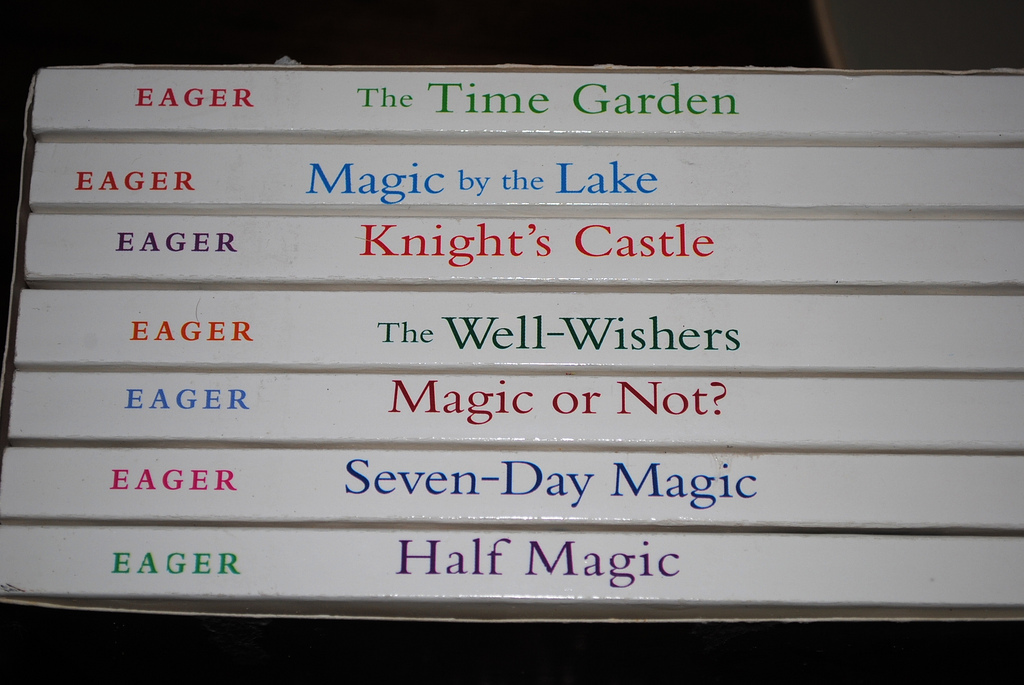
Writer Susannah Leigh was born in Canada and moved to UK when she was eight years old. Jump! asked her about her favourite children’s book.
One of the nicest things about being an author (apart from being able to go to work in your pyjamas) is being invited to talk about books in schools. I love chatting to enthusiastic pupils about all things bookish. Usually the questions I am asked are ones I can answer easily.
‘How long does it take you write a book?’
‘Where do you get your ideas from?’
‘When did you write your first book?’
But at a school last week a student asked: ‘What is your favourite book?’
Now that’s a tough one.
I’ve read so many good books, how could I possibly choose my favourite?
And what if I haven’t read my favourite book yet? Indeed, what if it hasn’t even been written?
What Is the Turing Test, and Why is it Important?

It has been reported that a computer program has passed the famous Turing Test by pretending to be a 13-year-old Ukrainian boy called Eugene Goostman. But just what is the Turing Test and why is this development so interesting? Sam investigates.
Why DO Kids Want to Play Minecraft?

Sitting back, ready for another interesting and rather aggressive night on COD (Call of Duty), I launch my dashboard to see the usual suspects all gathered playing the latest shoot ’em ups.
Except one. Looking again, I notice my 13-year-old brother Jimbob is playing a game I’ve never seen – MINECRAFT.
After much persuasion and explanation “COME ON BRO, BUY IT PLEASE, YOU BUILD STUFF”, I decide to purchase it, in order to support him in our mum’s campaign to play online more responsibly.
The game launches and all I see is blocks. Have I got the right game? Where are the graphics?
Wandering mindlessly around, past trees, rivers and spiders, until Harvey Jimbob asks me to come to his house. Here’s the strangest part: he built it.