

Get Your Bake On!

Have you been inspired by the Great British Bake Off?
We are BIG fans of 17 year old Martha, and love that she has shown Britain that kids can bake just as well (if not better!) than adults. After leaving the show, Martha said “I wanted to show that young people can do it and you don’t need hundreds of years of experience”.
A lot of you probably have already done a bit of baking with parents or grandparents, but moving on to baking independently can be a bit daunting.
To help you get your bake on, we’ve some tips on getting started, and simple recipe ideas that will make you feel like you’ve baked a showstopper. So, move aside, mums and dads, this is all about baking for kids!
On Your Marks, Get Set… BAKE!
Image Credit
Before you start to bake, get all your ingredients out and put them on the worktop. This prevents you getting halfway through the recipe and then noticing that you’ve run out of something really vital, like eggs!
Rock, Paper, Scissors… Robot???
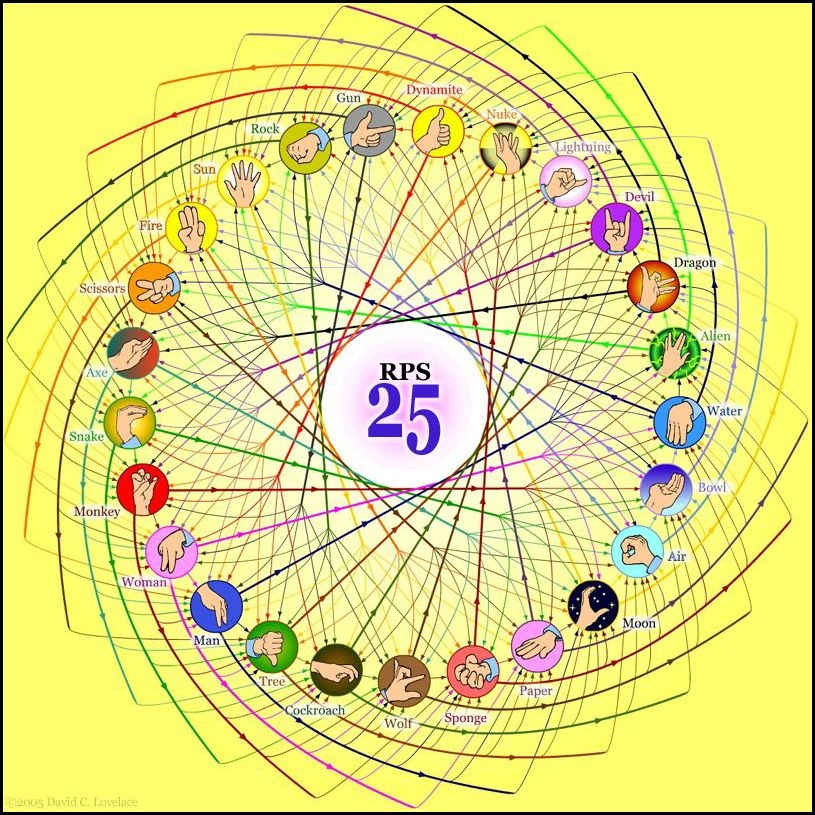
The game rock-paper-scissors is well known around the world. We’ve all used it as a choosing method, or simply as a game! The easiest version is played between two people. Both players choose one of the three shapes for one of their hands, and reveal their choice at the same time, hoping their choice beats their opponent.
It’s nearly impossible to gain an advantage over your opponent, unless you wait long enough to identify their choice before you make yours, but the chances are that they will realise your cunning plan and call you a cheater!
This game is not simply a choosing game. There are mathematicians dedicated to constructing algorithms for the best strategy to win, and scientists devoted to creating unbeatable robots! In fact, researchers at the University of Tokyo have created a rock paper scissors robot that wins at rock-paper-scissors 100% of the time.
Falconry and the Tudors

When you write a book that is set in a particular period of history, it is important to get the details correct. This means that writers of historical fiction have to do a lot of research.
The first scene of Katharine Edgar’s novel, Five Wounds takes place on a hillside in sixteenth century England, where her heroine, Nan, is hoping to see her young merlin falcon make its first kill. Katharine had find out all about falconry and the Tudors – the keeping and training of falcons, and other birds of prey.
When I showed the first scene of Five Wounds to some writing friends, some of them asked a question I wasn’t expecting. ‘How rich is Nan’s family? They live in a big house so why does she need to hunt for food?’
Good question!
Make Up For Girls – Is It Necessary? Written By You
