Girls Don’t Need No Education

‘WHAT?!’,I hear you cry. ‘Of course we need education!’ And you are absolutely correct.
Sadly in some areas of the world, this is not seen as a basic human right. Children, especially girls, are denied access to schools.
I am sure you have all heard of Malala Yousafzai, the young education campaigner from Pakistan who was shot by people who do not agree with her campaign for girls to be educated.
Malala is carrying on a fight for education that other countries have already fought and won. Tina explains how girls in her home country, United Kingdom, were once forbidden from going to school and when this changed.
Is The Great Wall of China Visible from Space?
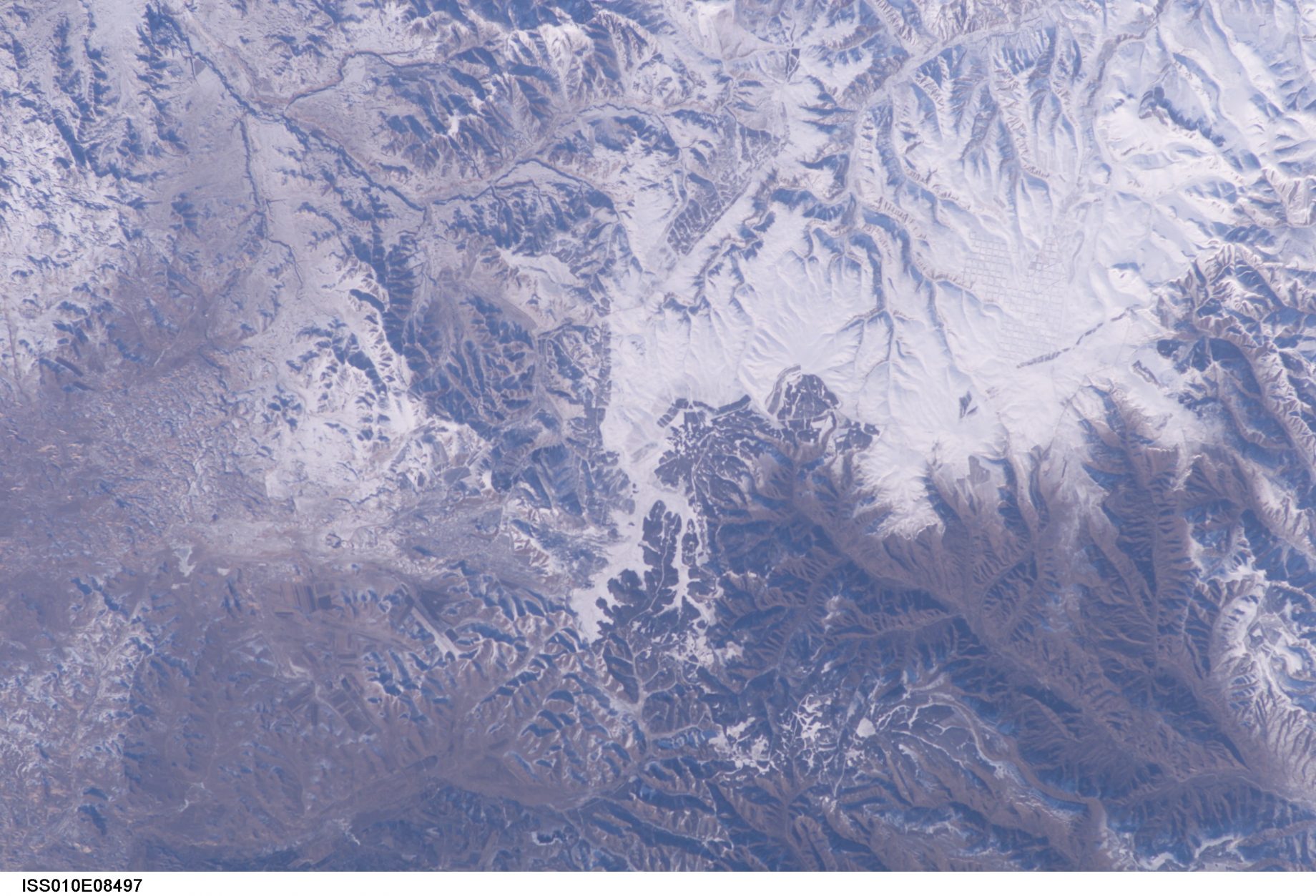
The idea that the Great Wall of China can be seen from space has been around since at least 1938 and is still popular today. It certainly seems plausible that such a large, linear structure would stand out from the surrounding landscape, but it’s actually not true.
Alan Bean, the fourth man to walk on the moon, said in 1969
“The only thing you can see from the moon is a beautiful sphere, mostly white, some blue and patches of yellow, and every once in a while some green vegetation. No man-made object is visible at this scale.”
But if you can’t see the Wall from the moon, how about somewhere closer to Earth? The International Space Station (ISS) maintains a low earth orbit of between 330-435 km above our planet’s surface.
Early English – The Latin Alphabet

In our last post, we discovered the runic alphabet and the Futhorc, and now we are going to look at what came next. The Latin alphabet.
The Futhorc was gradually replaced by the Latin alphabet. However, it seems that the Latin alphabet was not perfectly suited to represent English, which contained sounds that did not exist in Latin, and so people adapted it with the addition of a few runes: thorn to represent ‘th’ and wynn to represent ‘w’, as well as a few adaptations in usage of the already existing Latin letters in order to make them better suited to representing English sounds.
When Kids Want to Learn a Musical Instrument