

What’s in a name….?
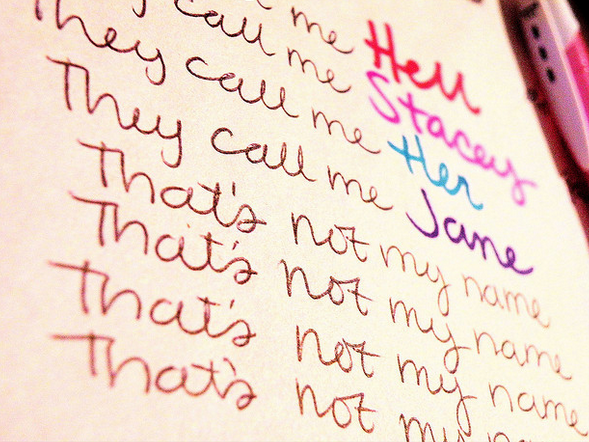
Do you ever wonder why people can’t pronounce your name correctly? Or struggle to say a friend’s name right sometimes? Here Avani tells us about her experiences, and how we can make the effort to pronounce things as best we can!
Do people always get your name wrong?
My name is Avani and let me start by saying: I get it.
Sometimes I spend ages teaching someone how to say my name properly (Uvni would probably be the best way to write how it’s pronounced) and other times I really can’t be bothered. I wish I had an easier name, or that people would just work harder to get it right!
Why do we find some names really difficult to pronounce and others really easy?
Here in England, people have names which come from all over the world. These names might be from places where a different language is spoken, and the different languages may also use different letters or characters to those we use for English.
My family, for example, come from a part of India called Gujarat. The Gujarati language uses a syllabary (a set of sounds) rather than an alphabet, but the syllables don’t always match up with English letter. The ‘v’ in ‘Avani’ (વ in Gujarati script) should actually be pronounced somewhere in between the English ‘v’ and ‘w’ sounds, but there isn’t an English letter that sounds exactly the same and this makes my name harder for people to remember! Also the ‘a’ and ‘u’ sounds in Gujarati are written using variations of the same symbol (અ (u) and આ (a)), which is why my name is spelt with an ‘A’, but pronounced using a ‘U’. Here’s what ‘Avani’ looks like written in Gujarati: અવનો – cool, right?
Languages which do use the same letters as those in English, may not pronounce all of them in the same way. This means that names that look similar on paper may be pronounced differently depending on where in the world someone lives. In Spanish, for example, the ‘j’ and ‘x’ letters are more like (but not identical to!) the English ‘h’, and in German, the letter ‘j’ sounds more like the English ‘y’ – can you imagine all the different ways people around the world must pronounce ‘Jesus’? You can listen to a few here!

It’s not only names from other countries that are hard to pronounce though! Have you ever thought about which common English names might be tricky for someone learning the language to get their head around? What about the name ‘Thomas’? We say it with a hard ‘T’ (like the one in ‘tree’, rather than the one in ‘three’) even though it is spelt with a ‘Th’, and we say the name ‘Charlotte’ with a ‘Sh’ sound (like in shop) even though it is spelt with a ‘Ch’ (like in chop). It must be hard to keep up with which names follow the usual pronunciation rules (like Theo or Charles) and which ones don’t!
What can I do if I think I’m pronouncing someone’s name wrong?
It is always worth checking with someone if you think you’re saying their name wrong – even if you’ve known them for ages and are embarrassed about asking, chances are they’ll be really glad to have an opportunity to correct you! However, it’s also important to remember that even if you know that the way someone says their name is different to the traditional way of saying it, you should always say their name like they have asked you to. Many people living in England, for example, prefer to go by a nickname or a more ‘Anglicised’ (English-sounding) version of their name to make things a little easier – so if you know a ‘Jesminder’ who prefers ‘Jess’, or a ‘Paulo’ who prefers ‘Paul’, you should respect their decision!

If you’ve just met someone new and have forgotten how to pronounce their name (or even if you’ve met them a few
times) – don’t despair, they probably won’t mind if you ask them again! If you are too embarrassed, though, there is a huge variety of pronunciation websites out there which will be able to help you. Click here for a good one!
Do you have a hard-to-pronounce name? Or have you ever been in an embarrassing situation over getting someone’s name wrong? Do you live in another country – which English names do you really struggle with? I’d love to hear your stories!
As well as trying to get people to say her name right, Avani Shah is currently working on a book for 8-12 year olds. She also blogs about her childhood and teenage experiences (Away with the Mice) and writes about words, etymology, and spelling for a website called Spellzone.
Title Photograph: Daisy 2008
Nom & Malc 2008
RiPO 2012
Girls Don’t Need No Education

‘WHAT?!’,I hear you cry. ‘Of course we need education!’ And you are absolutely correct.
Sadly in some areas of the world, this is not seen as a basic human right. Children, especially girls, are denied access to schools.
I am sure you have all heard of Malala Yousafzai, the young education campaigner from Pakistan who was shot by people who do not agree with her campaign for girls to be educated.
Malala is carrying on a fight for education that other countries have already fought and won. Tina explains how girls in her home country, United Kingdom, were once forbidden from going to school and when this changed.
Drip Drip Drip
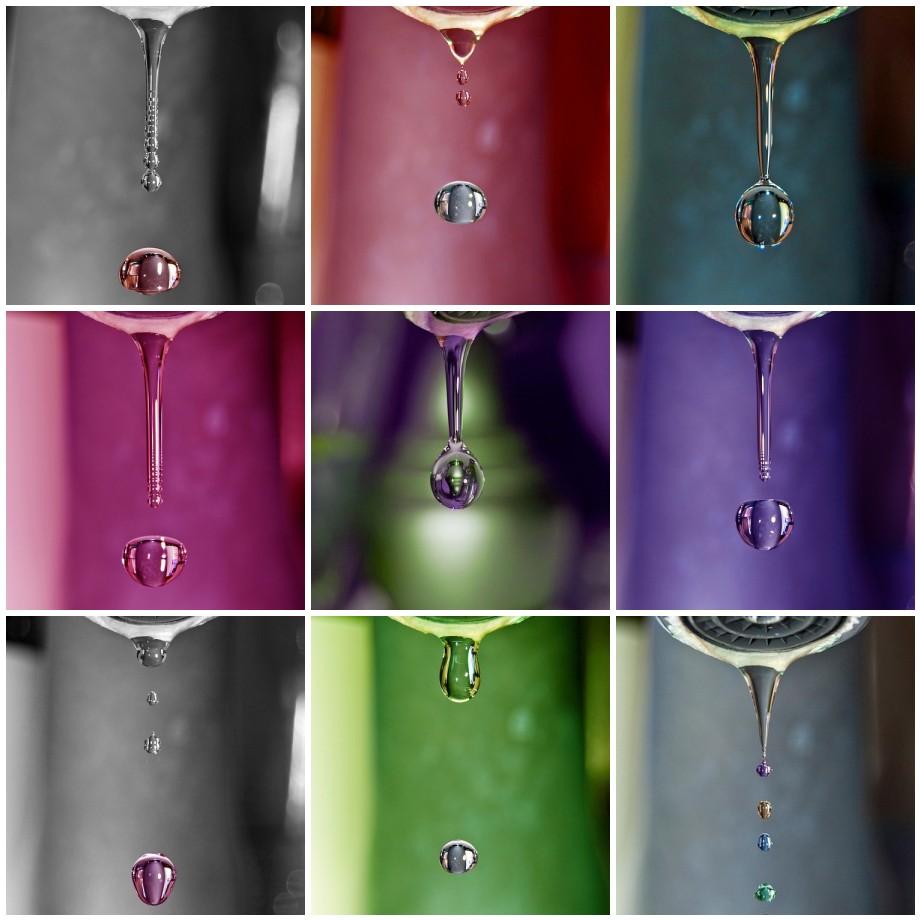
Can you imagine not being able to turn on a water tap? Can you imagine not even having a water tap?
Today’s challenge is to notice when you do something that we all take for granted – turning that tap and letting the water flow.
Washing your hands, cleaning your teeth, taking a shower. You are thirsty, so take a big gulp of water straight from that tap after playing outside in the sun.
Every time you turn on a tap of water, think about how easy it was and what you would do without running water.
The Iron – Poetry Written By You

This poem is by a home-educated girl called Katy. She likes art, fashion and writing, and we are delighted to be able to share her work with you.