Stories from The Stables – #6 Falling Gracefully
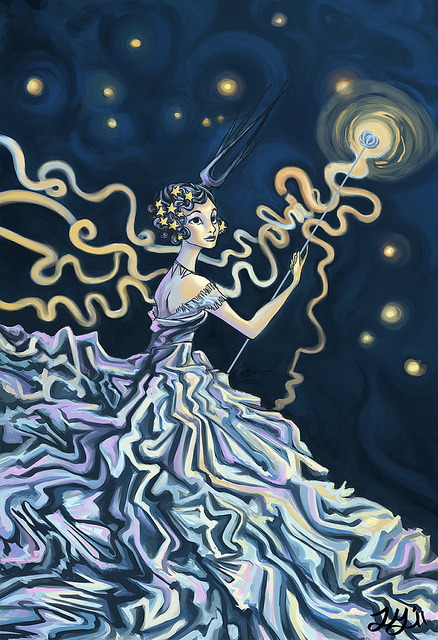
Continuing the ever popular series Stories from The Stables, Carolyn Ward tells of falling (un)gracefully
Cellular Communications
When we talk about ‘cellular communcations’, we are not referring to use of a cell phone, because before mobiles or cell phones there was a time when this only meant cell to cell interaction within an organ or tissue. This important cellular behaviour drives diverse functions from contracting cells in your heart muscle to the cells in your nerves.
Is Our Fate Really Out of Our Control? – Written By You
Do you think that our lives are set out before we are born, and things are ‘just meant to be’? That’s what we mean by ‘fate’, a force beyond our control that determines our future. Gabriela has been thinking about this since her English class held a discussion on the topic, and she shares her thoughts with us.
What is The Point in Learning … History
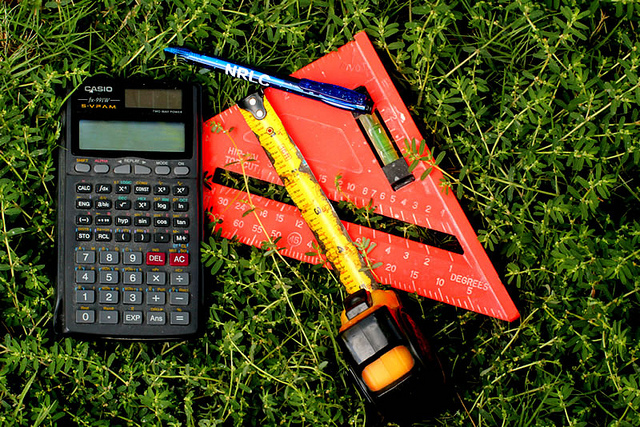
Have you ever sat in a Maths class wondering if you will ever have to do long division without a calculator once you leave school? Or silently cursed your Geography teacher while learning about the formation of oxbow lakes?
And History? That’s all in the past and irrelevant, isn’t it? In this series of articles, we will look at some of the subjects we learn at school, and try and answer the question: What’s the point in learning this?
Last time we looked at uses of Physics, both in day to day life, and in careers. Today we will focus on History – the study of the past and how our society came to be as it is. Here are some ways in which studying History is useful to us:
Critical Thinking

Thinking by Elisabeth Haslam
When we study history we don’t just learn lists of facts and dates off by heart. We read lots of opinions about what happened and why, and come to our own conclusion. We base these opinions on two types of material, primary sources which are texts and drawings created at the time of the history we are studying, and secondary sources which were written after the event.