

History of South Africa – Written by Bruntville Primary School

The pupils of Bruntville Primary School have written a short article about the history of South Africa, and an explanation of Apartheid.
What Was Apartheid?
Apartheid was a system that existed in South Africa that separated people based on their ethnicity and skin colour. It became law after the National Party won the election in 1948. They declared many areas as only for white people, and discriminated against people of colour (POC).
Interview with Skeleton Athlete Jor’dan McIntosh

Jor’dan McIntosh is one very special athlete. Currently studying at Loughborough University, the Derby born 23 year old is specialising in one of the most gruelling yet exciting Winter Olympic events. Because right now, while her compatriots compete in Sochi for Skeleton Gold, Jor’dan is perfecting her technique, in her aim to be the best female Skeleton athlete come the next Winter Games in PyeogChang South Korea 2018.
Stories from the Stables – Part 4 – Summer Camp

Summer Camp at the Stables, from Carolyn Ward
Once a year, in August, Stourton Stables had a summer camp. Fifteen lucky kids were invited to spend a whole week with their pony, grooming, tacking up, and riding every day. There would be a jumping competition and picnic hacks, a visit to the three counties showground, and a swim at the leisure centre.
I was allocated Heidi, a grey mare with a snotty attitude. Literally. One of her tricks was to toss her head about whilst being ridden and flick massive globs of snot and foam backwards into the rider’s face.
Aside from the snot, she was zippy and responsive, pleasant enough to ride; but her main problem was she was evil to groom and tack up. She was a biter and a kicker. Hence I gave an audible groan when they announced we would have to wash our pony’s tail. Drat!
Calling All (Reluctant) Bookworms
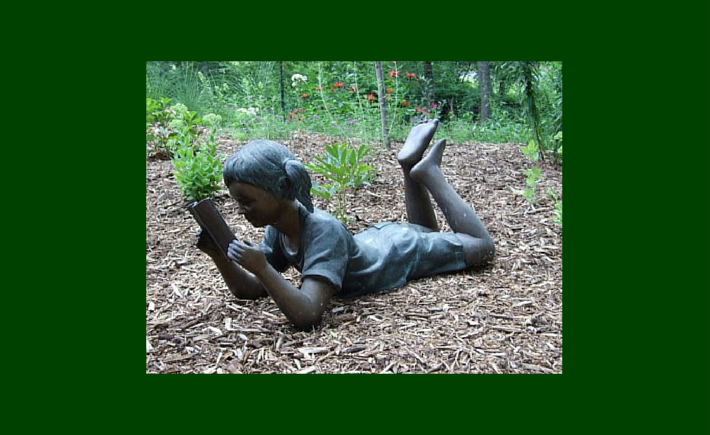
Em is a reader. A bookworm. She always has been, and always will be. Some people love to read, but some people don’t. Which are you? Maybe you are nagged by your parents and teachers for not reading enough. Perhaps reading is a chore, part of your homework assignment that you rush through, without enjoying because it has to be done. Would you like to learn to love reading? Em has some tips for you.
I really love reading. I mean, I really love reading. I learned to read when I was 4 years old, and I’ve never really stopped since. I used to amaze adults with my reading – I read classic Greek literature (translated, obviously) when I was 9 years old.