
Do You Hate School Uniform? – Written By You
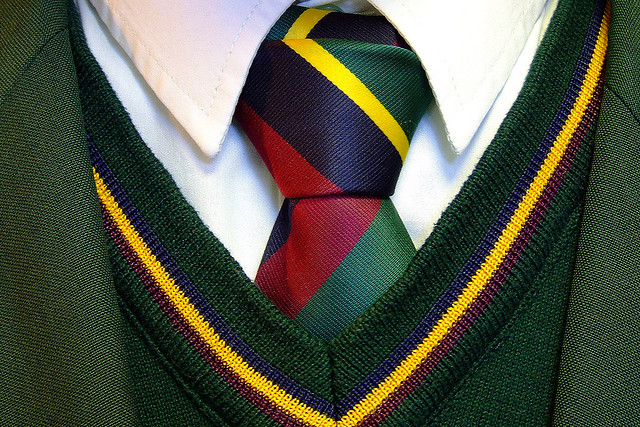
My name is Daisy, I’m eleven years old and although I am English, I have lived in Germany nearly all my life! I speak German and English and can read and write both too. I enjoy writing and listening to music and am the middle child of three. My mother is an author.
Does your school have a school uniform? Having to wear those scratchy skirts? Tight stockings? With our normal clothes, you can show what kind of person you are! You can send a message out to the world with how you dress, what makeup you were and how you have your hair done!
School uniforms are stopping all this. Not being allowed to choose what to wear seems so unfair! Wouldn’t it be fair if we could choose if we wanted uniforms or not? People are debating on school uniforms and deciding if they should stay!
What is The Point in Learning Maths?
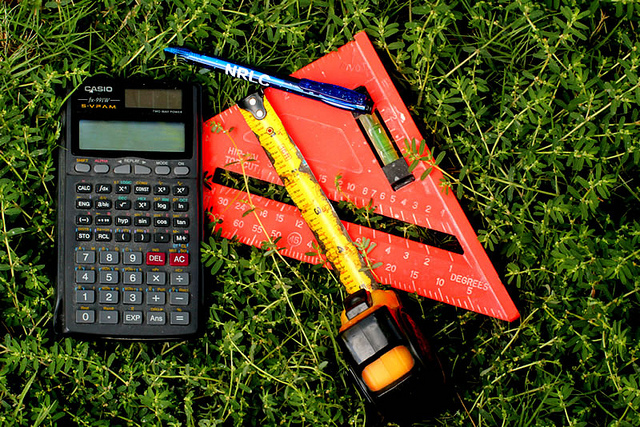
Have you ever sat in a Maths class wondering when you will ever need to do long division without a calculator? Or silently cursed your Geography teacher while learning about the formation of oxbow lakes? And History? That’s all in the past and irrelevant, isn’t it?
In this series of articles, we will look at some of the subjects we learn at school, and try and answer the question: What’s the point in learning maths?
Let’s start with Maths. It is a fact of life that while some people are good at Maths, for others it is a daily trial. It is, however, along with English and the sciences the subject considered to be the most important. Why? Of course, we all know that it is important to be able to count, and do simple sums, but when, in real life, do we actually use it?
Tips For Exam Success
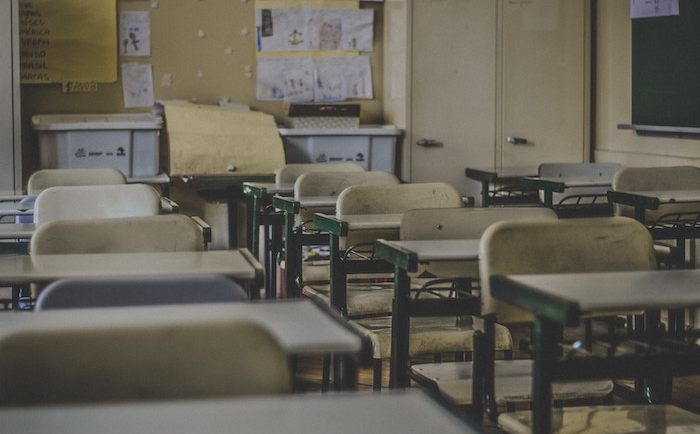
How to tackle exam stress and emerge still smiling…
Whether it’s SATs, school entrance exams or simply a test of your knowledge at the end of a topic – exams can be scary. They don’t have to be.
English teacher and tutor Allana has witnessed firsthand the effects of exam stress on very capable students – even those who KNOW the answers can get rattled on the big day.
Water and Engineering – Water, Wonderful Life