

How to Stay Safe at the Beach
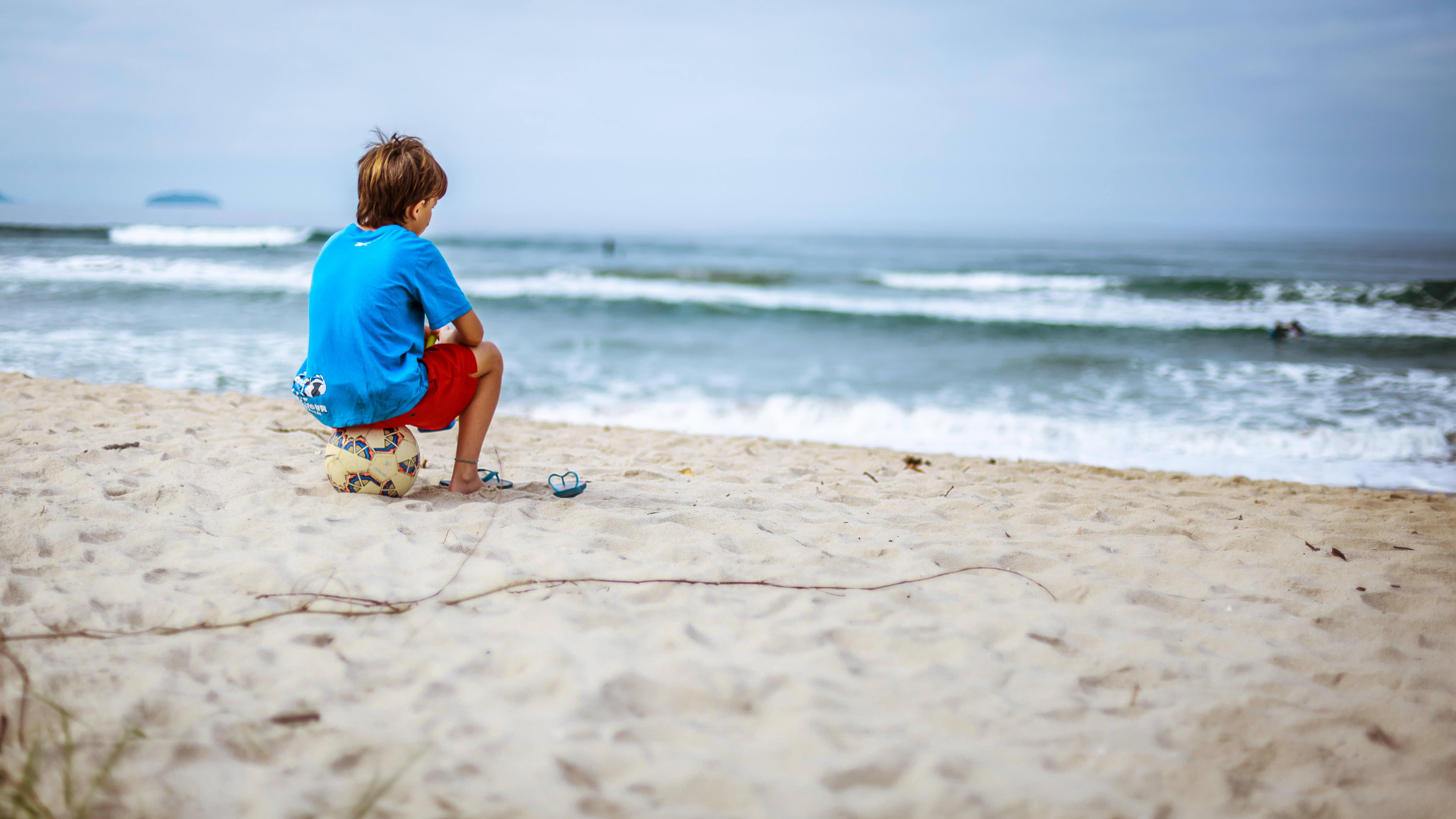
Although beaches are fun places they can also be dangerous, and you may have heard some stories in the news lately about people getting into difficulties when they’re in or by the sea. Our science editor Sam Gouldson, who lives on the Sussex coast, shares her tips for beach safety.
Go to a Beach with Lifeguards
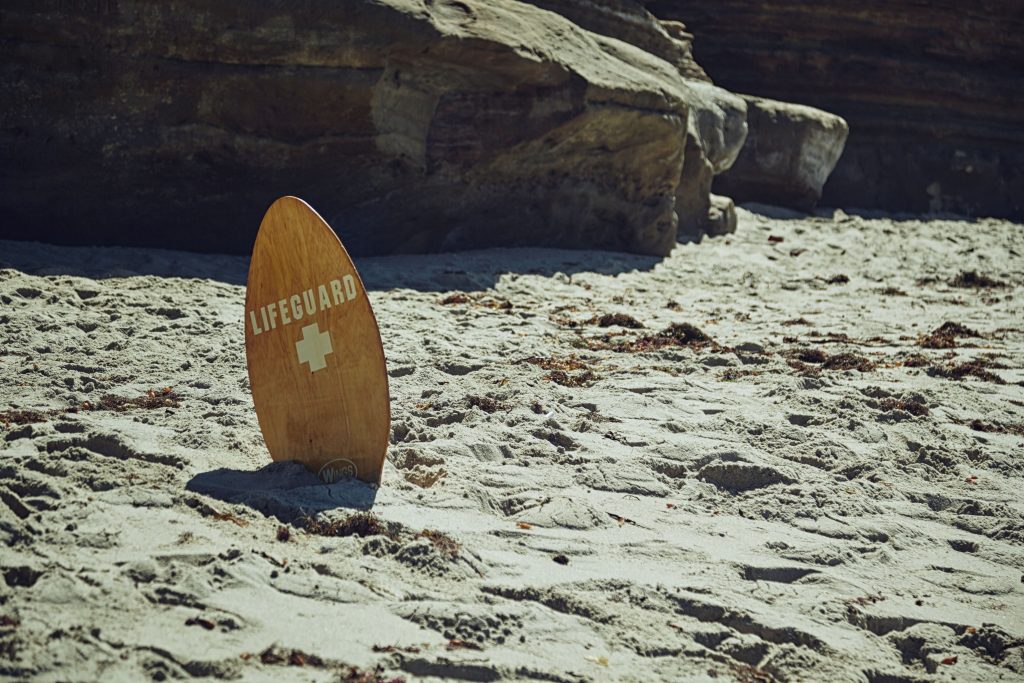
Many beaches have lifeguards, who are trained to keep people safe whether they’re on the beach or in the sea. You can find out where these beaches are by searching the Good Beach Guide (for the UK), Irish Water Safety (for Ireland) or the ILSE (for Europe). Find out more about the RNLI Lifeguards in UK here.
Pay Attention to the Flags
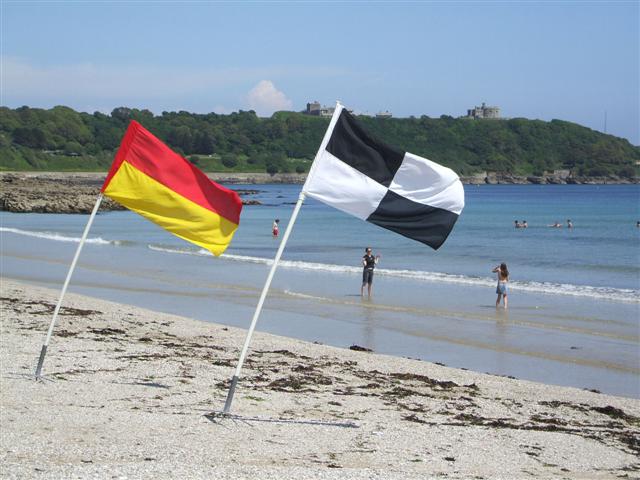
Beaches in the UK use a flag system to inform you of possible hazards. If there are red and yellow flags this means that there are lifeguards in that area and that it’s safe to swim.
A black and white chequered flag means that the area is for people using paddleboards, surfboards and kayaks, and that you should not swim there.
A red flag means that the area is dangerous and you should not go into the water for any reason. There may also be information boards and signs at the beach, and you should read these thoroughly.
Stay With Your Group

If you stick with your family or friends you can all keep an eye on each other. Find somewhere distinctive to use as a base while you’re at the beach and agree where you’ll meet up if you get separated.
If there are younger children in your group make sure they’re with a responsible adult or older teen. Some beaches have a wristband scheme so that children can be easily identified and their group members contacted if they wander off; if the beach you’re visiting has one of these schemes, take part.
Learn About the Sea

Different beaches have different conditions. The tide can come in much faster at one beach than at another, and you should always keep an eye on the water and which direction it’s flowing in. You can look up tide tables online so that you’re aware of when the tide is likely to turn and don’t get cut off from the shore.
Some beaches have dangerous features called rip tides, which are strong currents that can quickly sweep you out to sea without warning. Always check with the beach’s lifeguards if there are any areas that you should avoid – many beaches have a noticeboard to inform visitors about the current conditions.
Waves can also be dangerous, depending on how fast the water is moving and how steeply the beach shelves. Some beaches will have sharp rocks or other hazards that may not be clearly visible from the shore. Again, check the lifeguard’s advice before you go into the water.
If the weather is cool, consider wearing a protective suit to keep you warm in the water, as cold water shock can affect your breathing, blood pressure and heart rate.
Be Careful When Using Inflatables

Inflatable toys and beds are designed to be used in swimming pools, not on open water. But if you do use them make sure there is an adult with you and that you’re in the lifeguarded area between the red and yellow flags.
You should stay near the shore and never use inflatables when there are big waves or an windsock is flying; these are signs that the wind is too strong.
Know What to Do If You Get Into Trouble

If you find yourself in difficulties, stay calm. If the water is shallow enough for you to stand, wade through the water instead of trying to swim in it. Raise at least one hand in the air and shout loudly and clearly for help, and don’t try to swim against the tide because you’ll just tire yourself out.
If you have a board or an inflatable hold onto it; not only will it help you stay afloat it will also make you easier for rescuers to spot.
If you see someone who is in trouble in the water, stay calm. Alert the lifeguards, or if you can’t see them call the emergency services on 999 (in the UK) or 112 (anywhere in Europe).
Stay Safe in the Sun
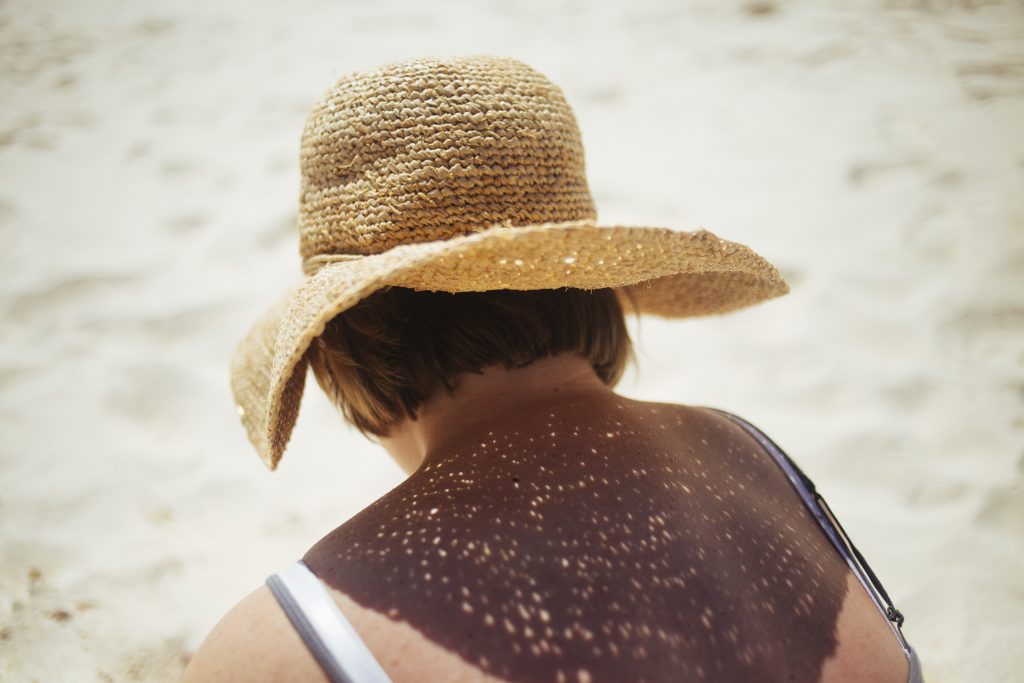
Although the sea can be dangerous, so too can the sun. Always use sunscreen with a sun protection factor (SPF) of at least 30, and re-apply frequently.
Keep your head and shoulders covered, wear sunglasses to protect your eyes and stay in the shade at the hottest part of the day (usually between 11am and 3pm).
For more information read “Why is too much sun bad for you and how does sunscreen work?”.
Is The Great Wall of China Visible from Space?

The idea that the Great Wall of China can be seen from space has been around since at least 1938 and is still popular today. It certainly seems plausible that such a large, linear structure would stand out from the surrounding landscape, but it’s actually not true.
Alan Bean, the fourth man to walk on the moon, said in 1969
“The only thing you can see from the moon is a beautiful sphere, mostly white, some blue and patches of yellow, and every once in a while some green vegetation. No man-made object is visible at this scale.”
But if you can’t see the Wall from the moon, how about somewhere closer to Earth? The International Space Station (ISS) maintains a low earth orbit of between 330-435 km above our planet’s surface.
Carnivals Around the World

You might have heard of the carnival in Rio, but did you know that there are carnivals around the world – from Germany to Greece, USA to Italy?
Millie Slavidou explains where Carnival comes from on her blog
Long before the advent of Christianity, people held celebrations at this time of year. In Germany, they once looked forward to sending Hel, the goddess of the underworld, back down to her abode so they could herald the coming of the spring. In Greece, it was a time to worship the god Dionysus. With the arrival of Christianity, the celebrations continued, but changed in nature, gradually becoming more and more linked to the new religion. The Carnival is held in the period before the start of Lent, and Lent is the time when good Christians were supposed to fast, to abstain from meat
In the UK, we don’t celebrate Carnival, but we do prepare for Lent – that is what Pancake Day is all about, after all. Traditionally, pancakes were made to use up the eggs, fat, and butter, that were not to be eaten during Lent!
Take a trip around the world with us, to find out how other countries celebrate Carnival!
What Makes Popping Candy Pop?