
Where else can you find great Science Resources for Kids? You can browse our archives here on Jump! Mag or you can check out the following sites.
We will update this list in the coming months, and will concentrate on resources you can access online – lectures, TV Shows, YouTube channels, online archives, websites and blogs with science tutorials so that you can roll up your sleeves and get stuck into science.
We will update this list regularly, so if you have something cool to add, let us know.
SPARXX
Sparxx is an initiative bought to you by the Women’s Engineering Society (WES).
Their aim is to bring you all the latest news, views, events, opportunities, careers, interesting stuff, fun stuff and freebies to help girls find inspiration for future careers. Sign up for their newsletter here.
The Royal Institution Christmas Lectures
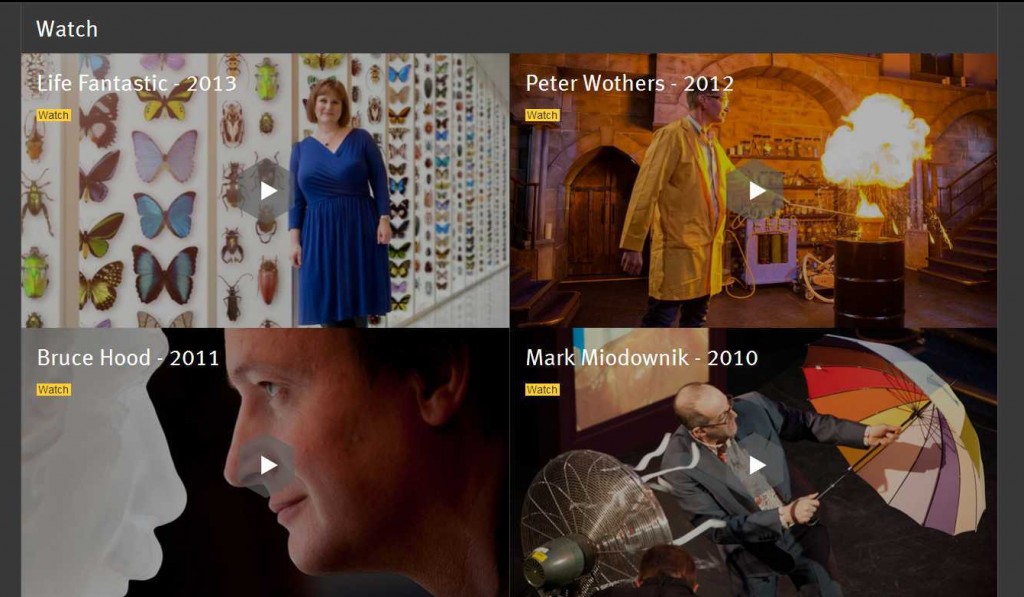
The CHRISTMAS LECTURES® are entertaining and informative science events for young people, broadcast on UK television every year. You can watch them online here. Prepare to be amazed
UPDATE
The Royal Institution have just launched Experimental, a series of YouTube videos with great and simple experiments for parents and children to try at home. Find their YouTube Channel here.
Zooniverse


Real science, online – The Zooniverse is home to the internet’s largest, most popular and most successful citizen science projects. You can choose to help researchers characterize bat calls, or explore Mars, without leaving your house.
Crash Course
Six awesome courses in one awesome channel: John Green teaches you US History and Hank Green teaches you Chemistry. Check out the playlists for past courses in World History, Biology, Literature, and Ecology
Bill Nye the Science Guy
Bill Nye is a scientist, engineer, comedian, author and inventor. His mission is to make science fun, and help people understand the science that makes our world work. Here are the Home Demos, the experiments you should try at home sometime. Keep clicking around and you’ll find the Episode Guides.
EdHeads

Edheads is an online educational resource that provides free science and math games and activities that promote critical thinking. You can design a mobile (cell) phone, repair a weakened aorta or learn about simple machines, and much more.
Science Projects for Kids
This is a site that links to lots of other sites – we loved the Amusement Park Physics – design your own roller-coaster but be careful because if you get the science wrong… DISASTER!
Silvia’s Show
Silvia is a young girl from California, USA and she’s been making Super-Awesome webshows on making cool stuff since 2010. She demonstrates science experiments, and great craft projects. You’ll never be bored, when Silvia is around!
NASA
The kids pages on Nasa are awesome, and that is before we get to the videos of ELMO at NASA. Science and Sesame Street. It doesn’t get much better than this.
Veritaseum
Veritasium is a science video blog featuring experiments, expert interviews, cool demos, and discussions with the public about everything science – these are at times more advanced, but well worth a look.
SciShow
We love the short and snappy servings of science from the SciShow team.
Minute Physics
We just had to include this one, as the solar system explanation is so brilliant even our science dunce editor understood it!
Engineering is Elementary
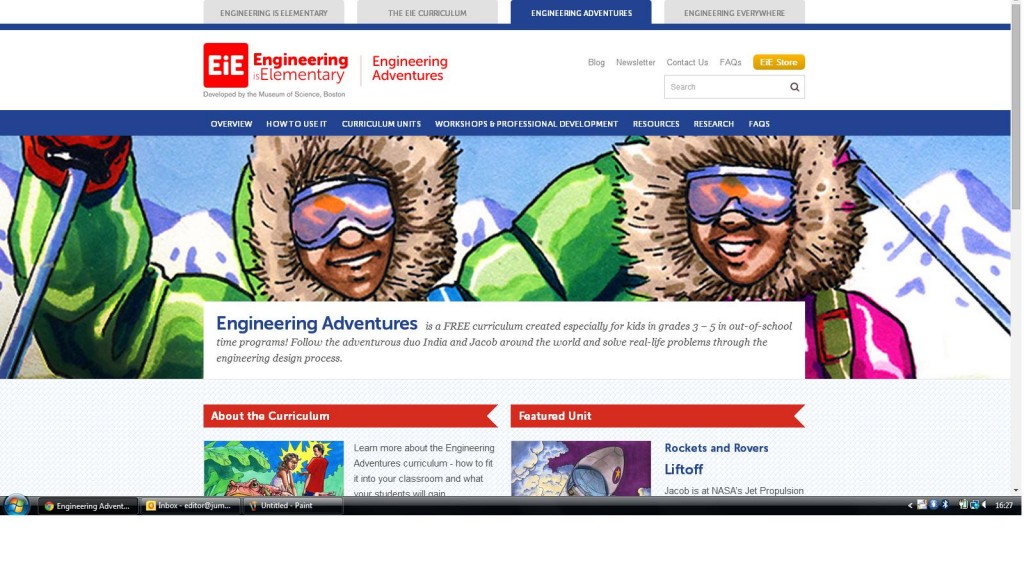
Engineering is Elementary is a project of the National Center for Technological Literacy at the Museum of Science, Boston (MOS). They have fantastic resources for teachers and home-ed families, on a range of topics. Some of the content is free to use, and the teaching guides and stories can be purchased on the site.
Further resources
The National Science Teachers Association has a great list of books about science
National Geographic is a great website with a huge range of articles and fun stuff
Cool music and science from They May Be Giants and the Here Comes Science CD
Woodlands Resources Science for educational and fun activities
How Stuff Works – well, just that really
This is a bit of a niche Science subject, but really cool – Skateboarding Science
If you like computers and want to learn how to make your own programmes, BBC had this cool game toolkit so that you can make your own games and Code.org can teach you to code, as can Scratch
If your parents are on Twitter, get them to follow @realscientists – a rotational twitter account featuring real scientists, science writers, communicators and policy makers talking about their lives and their work. Tweeters from different fields of science and science-related fields.
How To Grow Your Own Geek is a podcast created to share a love of geeking and parenting, and to provide advice on how to combine the two. Check out their Science and History Podcasts for Kids
Coding Resources by DeVry Bootcamp has plenty of interesting resources for older or more advanced students.