
Good Relationships – Healthy Relationships – Tips for Kids
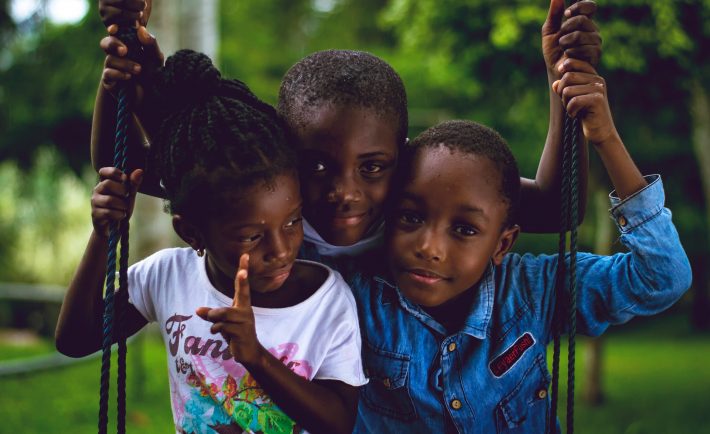
Relationships are hard at any age. Remember that we don’t just talk about relationships when we mean a boyfriend or a girlfriend – it’s about how you get on with your parents, your friends and other people important to you.
There are certain basic ideas that are important to developing good relationships; you master these and life suddenly becomes a lot less stressful! Alice Hoyle has some ideas that may help you have better relationships with the people in your life.
Communication

Image by Robert Collins on Unsplash
Communication is the most important aspect of any relationship. Sharing things with people in your life is important. We do this mostly by speaking and listening. It is important to share how you feel about things and to listen and try to understand how others feel about things (this is called empathy).
How good are you at both talking AND listening? If you favour doing only one of them in a relationship then this isn’t as balanced as it could be- you probably need to work on doing both and so should the other person.
Also sometimes people might say something but their body language (how someone uses their body or their facial expression) maybe saying something different. Take some time to consider what is your body language saying when you talk? What is their body language saying? Do you make eye contact when you talk?
A key to successful communication is to use “I” statements instead of “you” statements- eg. “I feel sad when you call me silly” is better than “You calling me silly makes me sad” because the second one can put the person on the defensive straight away and the conversation can go badly after that.
How to Be an Inventor

Have you ever thought ‘There MUST be an easier way to do this’? If you have, you are not alone. People around the world invent and re-invent products all the time. Some of them are professional, and inventing is part of their job. Others are just normal people who had a bright idea.
There are many clubs and societies which you can join and learn to invent or develop your curiosity and talent for science and invention. All inventors start somewhere, and most of them start when they are very young. Young people have the best imaginations so if there is something you think is a good idea and you want to try and create, why not join up with other young creative people and work together.
Things that make you go poo….
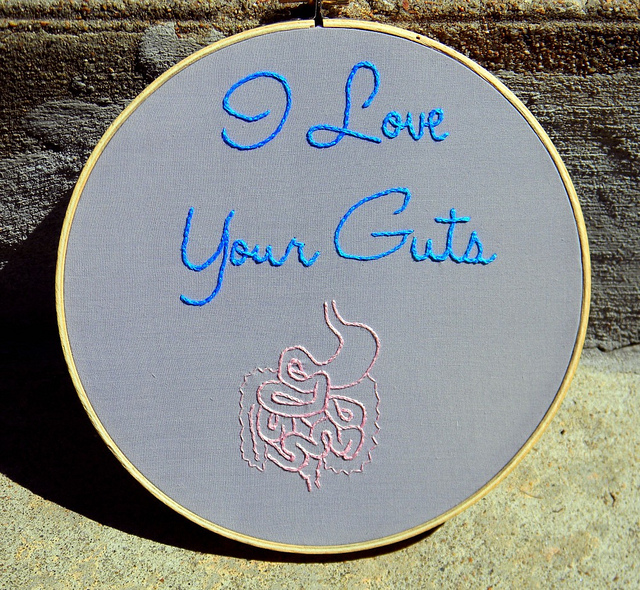
After talking about bones in my last article, I thought I’d go on to talk about poo, or at least how it’s made.
I like eating. I think a lot of people do. Biscuits are a particular favourite…chocolate Bourbons especially. But how do we get from biscuit, or apple, or stick of celery to the brown stuff we call poo.
Well, it’s thanks to the digestive system, which starts at the mouth, and runs all the way to our bottoms. So let me take you on a guided tour.
Drama Clubs for Kids – Written by You

Hi! My name is Cait, I’m 14 years old and I live in the North-East of England. No matter where you live in the world, there is a good chance there are some drama clubs for kids in your area. Drama is one of my favourite hobbies, and I thought by answering some questions it may make you think about starting drama!
Do you have to know what you are doing?
No! When I first started doing drama I had absolutely no idea how to act, and that was okay. I went into this small drama club and had no idea what I was doing. But over the time that I went there, I gained skills and I learnt how to act. Going into drama having no idea what you are doing can be good because it means you can learn so many new skills, which is great! Over time you can learn how to do other things as well such as singing or dancing!