

The Girlguide Girls’ Attitude Survey – Written By You

My name is Isla Whateley, I’m a 17-year-old Girlguiding member from Glasgow and a member of the charity’s youth panel Advocate. We discuss issues affecting girls and young women and look for ways to seek change.
Every year, Girlguiding publishes research into the opinions of girls and young women in the UK, called the Girls’ Attitude Survey. The findings from the latest report show that girls and young women are experiencing shocking levels of everyday sexism and discrimination at school, on the street and online.
For example, 75 per cent of girls aged 11-12 say sexism affects most areas of their life, 87 per cent think women are judged more for looks than ability and one in five 7-11 year-olds say they have been on a diet.
POO-EE! Roman Toilet Seat Found Near Hadrian’s Wall
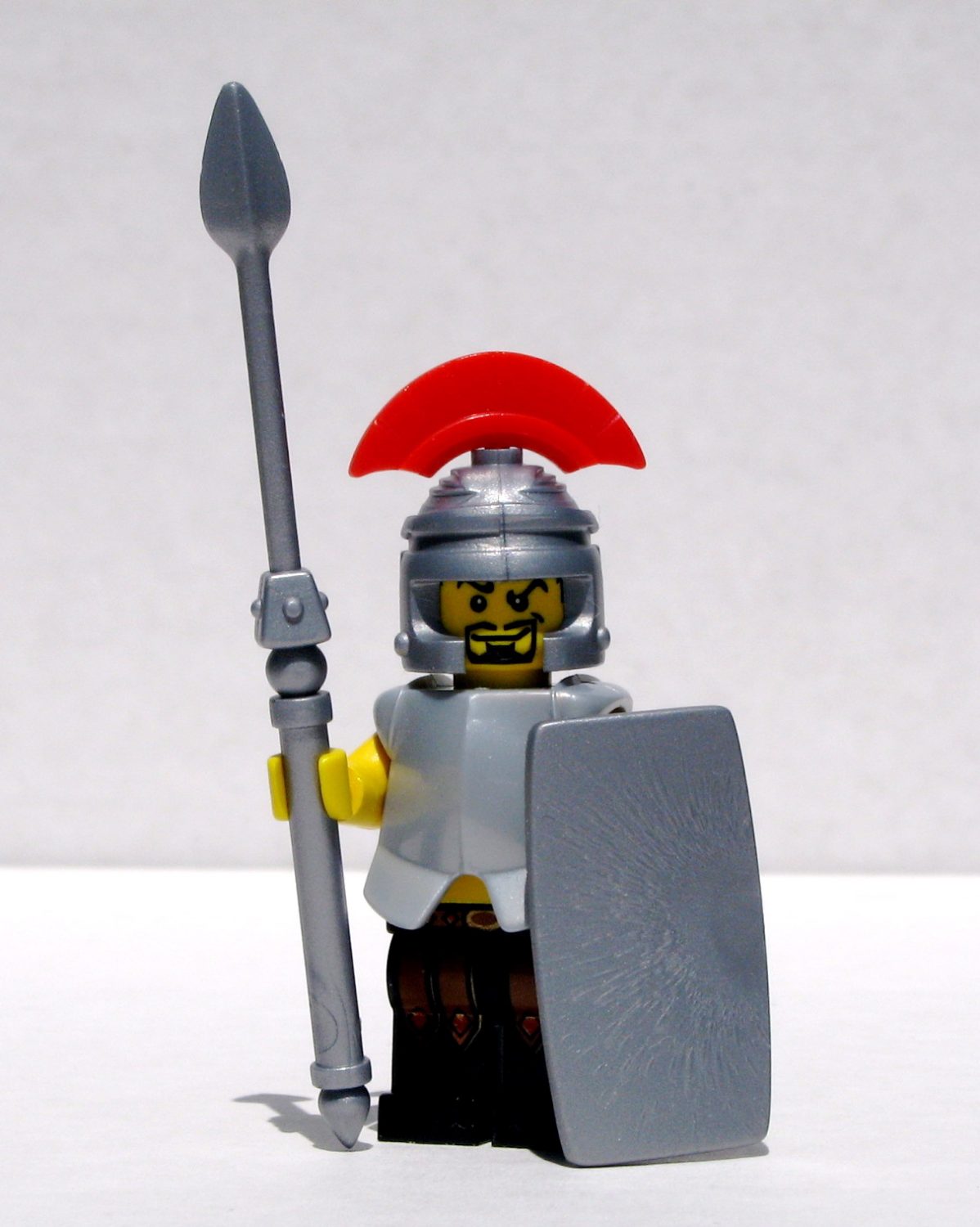
How would you like to root around in a 2000 year-old toilet?! The Romans created aqueducts, newspapers, and bound books… but did you know they helped create the toilets we have today?
Archaeologists at a Roman excavation site in Northumberland have recently uncovered a wooden toilet seat…that is 2000 years old! While it looks a bit more basic than the toilet seats we have today, it shows that they were very concerned with cleanliness.

The Roman wooden toilet seat. Not looking bad to say it’s 2000 years old! (Source.)
Are Rewards the Right Approach? Written By You

14-year-old Gabriella told us that her school gives lots of rewards for doing well, or for good behaviour. It got her thinking about reward systems, and if they are a good idea.
I’m sure everyone has been offered a reward for doing the right thing at some point in their lives, whether it has been your parents rewarding you for your actions or teachers at school.
When you are presented with the idea of a reward it makes you want to succeed right? Or does it? I know from personal experience that people aren’t necessarily excited by the prospect of being given a reward and when they are, they are usually set on the reward and not the idea behind it. For example, prizes for winning competitions often attract entries and participants often enter because of the prize and not because they are really interested in the theme of the competition. The same kind if thing comes out of rewards at school.
Who Was Tony Benn?
