Stories From The Stables – Sam
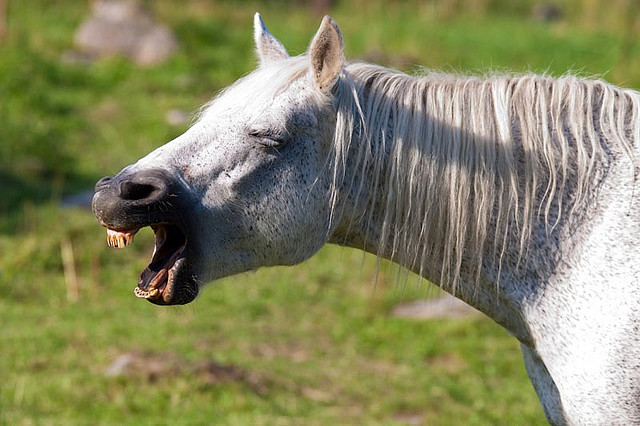
This is first of a series of Stories From The Stables, by Carolyn Ward.
Learning to ride is a fabulous hobby. It can be pricey, but you can borrow a hat and crop from most stables, and start off in trousers and strong shoes. It is great exercise, very exciting, and teaches respect for animals, balance, and correct posture.
When I was very young I rode at Stourton Stables, a children’s riding school where the ponies were mostly grumpy and had to be separated in the fields for fear of kicking each other to pieces.
Oh, happy riding lesson days. Hours spent in icy pouring rain, in snow, in fog, and even more rarely; in lovely sunshine. The best riding times of year for me were spring and autumn, before and after the major insect season.
The First Computer Programmers
Girls are told, all the time, that there are things they can’t do because, well, they’re girls. I’m here to tell you: it’s not true.
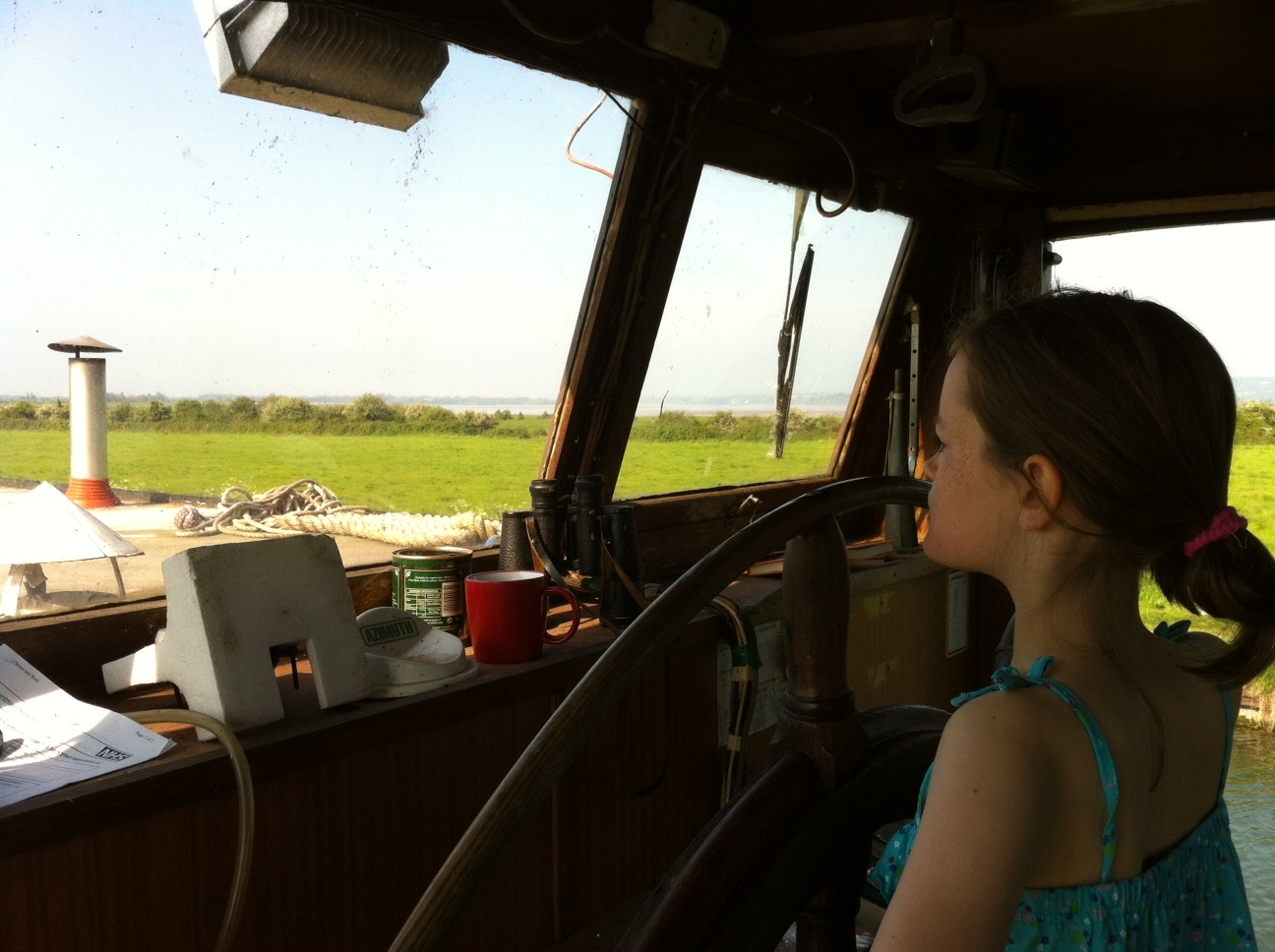
Let me tell you about a girl I know.
My Multilingual Life – Written By You
‘Do you speak English?’
For British and American girls who travel to a different country, that question is often the first sentence we learn.
‘Sprechen Sie Englisch’
‘Parlez-vous Anglais’
‘habla usted Inglés’
‘Вы говорите по-английски’
‘您说英语吗’
What is it like for the estimated two thirds of the world’s population who speak at least two languages? The people who we refer to as ‘bilingual’, if they speak two languages, and sometimes as ‘multilingual’, if they speak more than two languages.
The researcher and writer David Crystal estimates that of the approximately 570 million people in the world who speak English, over 41% are bilingual in English and some other language.
Today’s contributor knows all about speaking more than one language.
Have you ever wondered…why leaves change colour in autumn?
Autumn is a season of change; the weather gets colder, there’s less daylight and leaves change colour and fall from plants. But why does this happen?
Why Do Plants Have Leaves?
Leaves contain a chemical called chlorophyll (pronounced KLO-ro-fil), which as well as giving them their lovely green colour also helps create food for the plant. The leaves act like tiny solar panels, and use the sun’s energy to convert water (from the ground) and a gas called carbon dioxide (from the air) into sugar and oxygen. This process is called photosynthesis (pronounced foto-SIN-theh-sis), and the sugar is what the plant lives on.