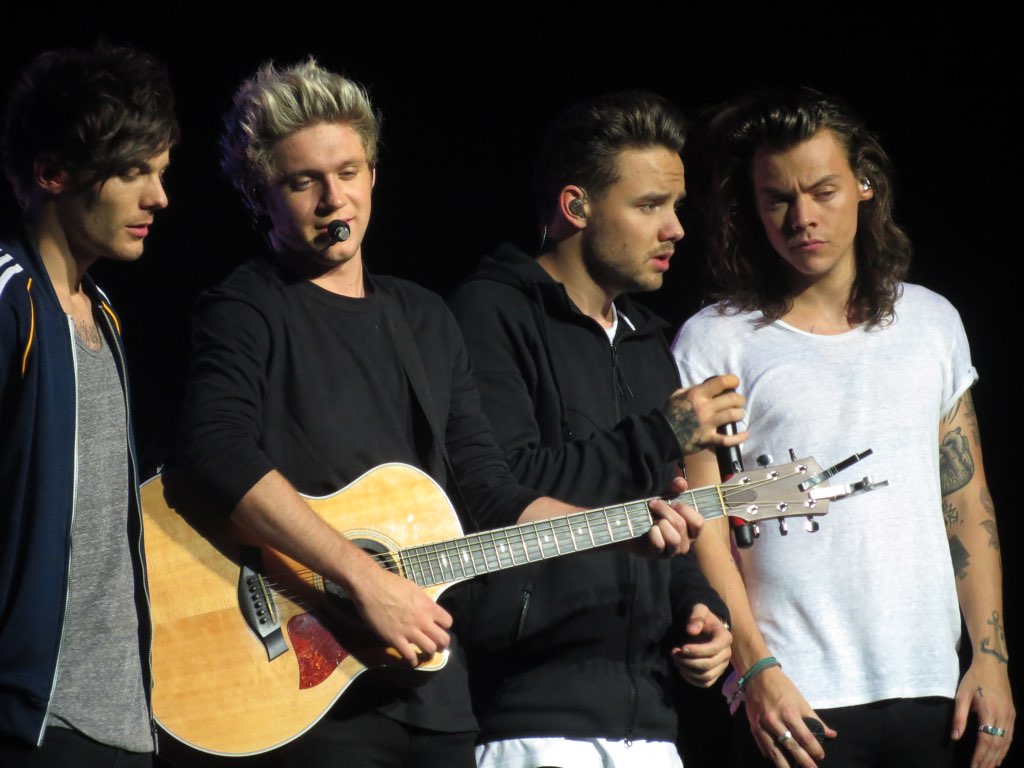
A lot of adults are very critical of the fans of 1D or Zoella, thinking they are silly for getting so excited, and for screaming and shouting. But did you know that fandoms have existed for a very long time? They’ve not always been called fandoms; that is a fairly recent development, but they are nothing new.
What is the Mexican Day of the Dead (Día de los Muertos)?
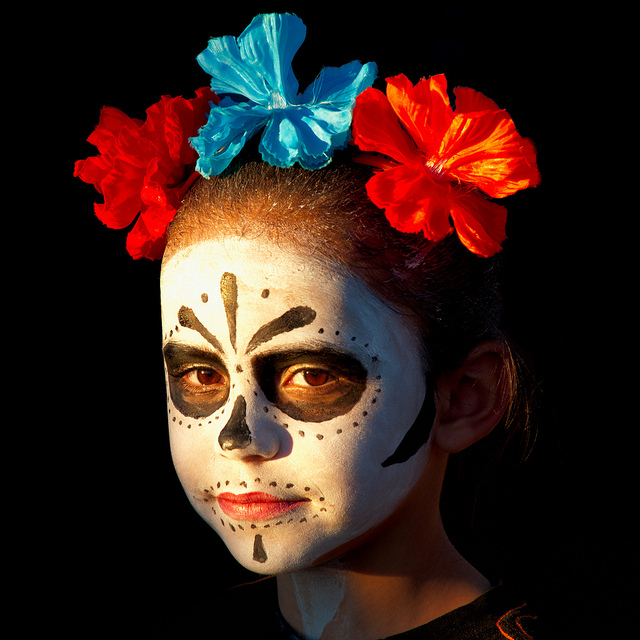
On 1st and 2nd of November, Mexico celebrates its Day of the Dead (Día de los Muertos). This is a festival that begins on 28th October and ends on a public holiday on 2nd November. During this time, Mexicans believe that the deceased have permission from God to visit friends and relatives on earth, and once again enjoy the pleasures of life. It isn’t seen as a time of sadness and mourning but as a celebration of life.
Where Does the Tradition Come From?
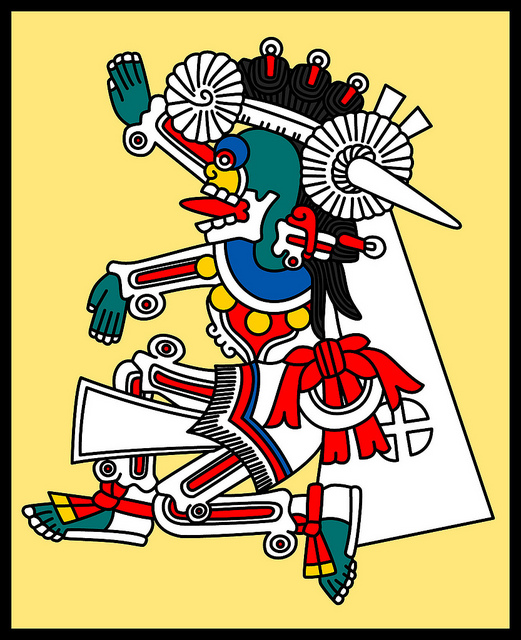
The Aztecs believed that death was just a part of the circle of life and offered gifts to the goddess Mictecacihuatl (“Lady of the Dead”) for deceased children and adults. This tradition was incorporated into the Catholic celebration of All Saint’s Day and All Soul’s Day when the Spanish conquered the country. You might know All Saint’s Day by its other name – Halloween!
How Do We Know How Old an Artifact Is? A Kid-Friendly Introduction of Carbon Dating
What can we tell from the study of BONES? According to Tina, we can tell an awful lot about a person by studying their bones – even centuries after they died. This process is called CARBON DATING.
CURIOUS CREATURES 2 – The Stag Beetle
The strangest creatures are, to me,
The ones I love the best.
The creepy, crawly and the odd
Are cooler than the rest…
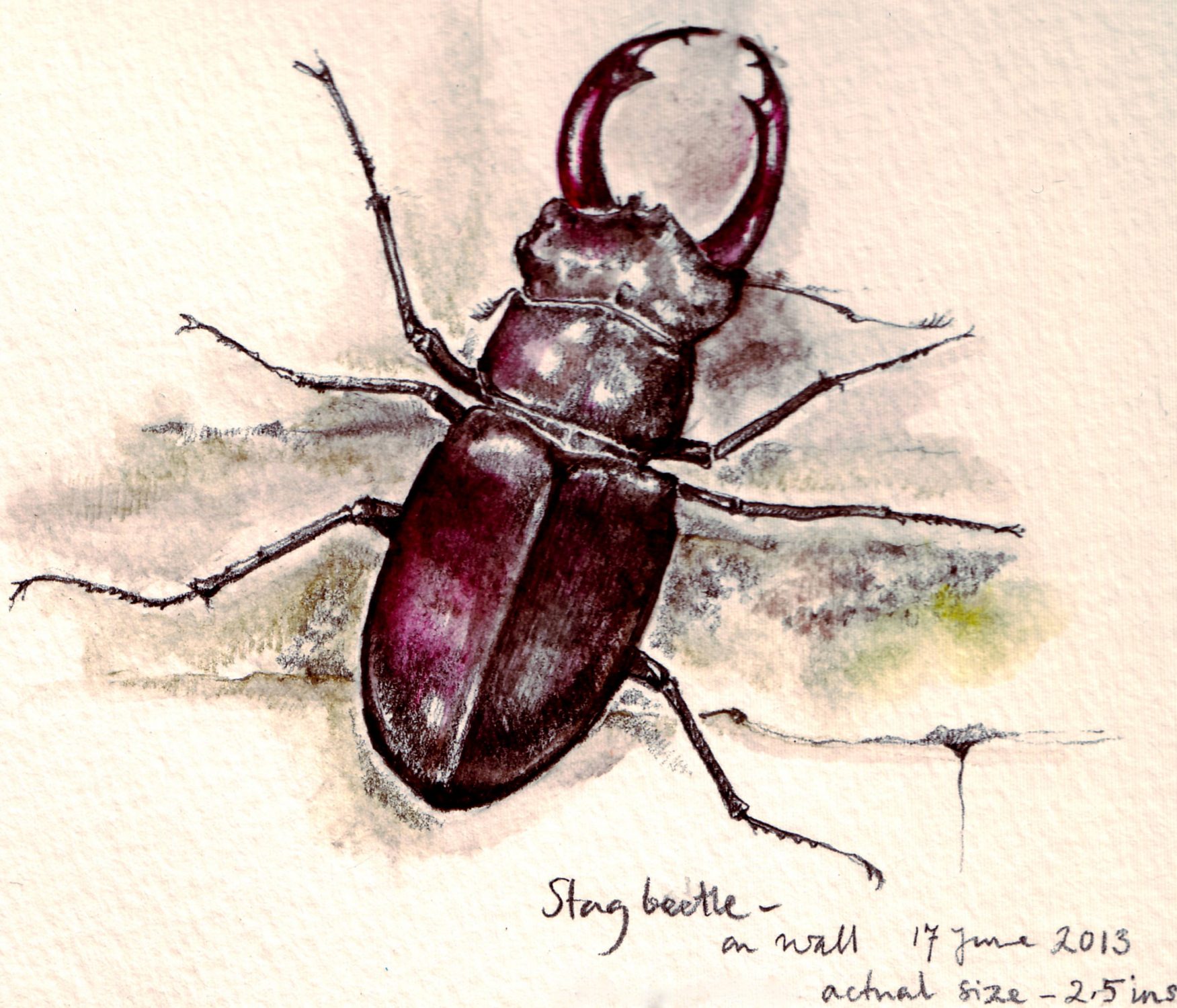
These magnificent beasties are the armoured vehicles of the insect population and the largest terrestrial-dwelling beetles in the UK. Their common name is a reference – unsurprisingly – to their antler-shaped “mandibles” or jaws, which they use to fight over territory, but not, perhaps surprisingly, to win the respect of female Stag Beetles..!
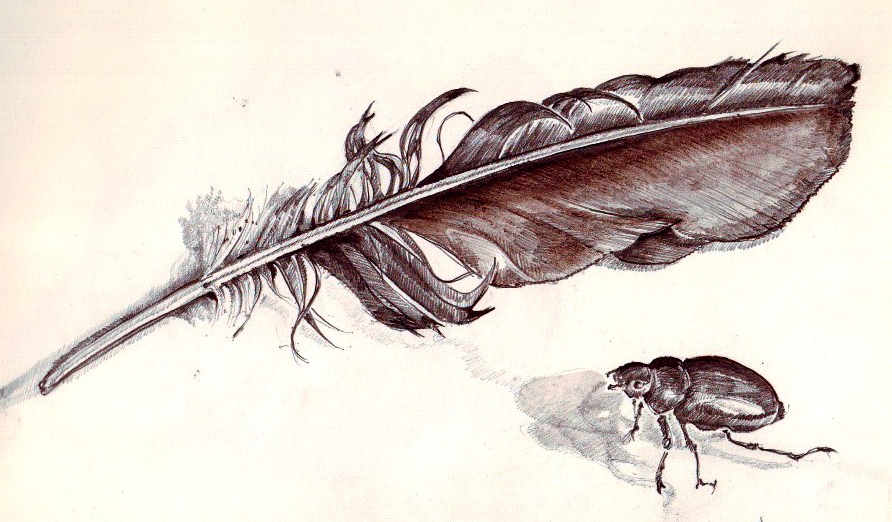
These Curious Creatures have intrigued me ever since I found an expired female stag beetle (see below ) in a south-west France many years ago. I drew it next to a blackbird’s feather, captivated by the different tones of black, the textural contrasts and inky depths of colour. I found it – and still find them all as a species – fascinating and beautiful, particularly the males, with their extraordinary maroon-red mandibles.

Winter Wonderings – Are Snowflakes Really All Different?
It’s a common belief that no two snowflakes are the same, and in a way this is true. No snowflake can ever be completely identical to another, because when you get down to the molecular level they will have slightly different kinds of water molecules, different electrons and different traces of other materials such as specks of dust.
However, if we’re talking only about the appearance and shape of a snowflake, then yes it is possible that some will have duplicates. Snow crystals can vary from fairly simple, hexagonal structures to the more complex and delicate shapes that we commonly think of as snowflakes.
The simple flakes have far fewer molecules than their larger cousins and so it’s entirely possible that you could find two that appeared identical when viewed through a microscope. The more complex structures, however, can have more than a hundred different features and each feature can form in a number of different ways. This makes it highly unlikely that you would ever find two large snowflakes that looked the same – but you could have fun trying!
For a more detailed explanation of the science behind the forming of snowflakes, check out this video